Why Are National Parks Important? A Guide to Understanding America’s Greatest Conservation Legacy
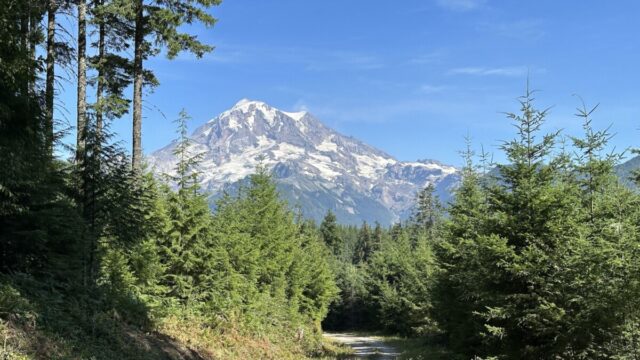
When you stand at the rim of the Grand Canyon in Arizona, hike through the old-growth forests of Olympic National Park, or watch geysers erupt at Yellowstone National Park, something shifts. The world feels bigger. Your place in it feels smaller—and somehow more connected to something vast and ancient and worth protecting.
This is not a coincidence. National parks exist for exactly this reason: to preserve America’s most remarkable natural beauty and protected lands. National parks ensure that people can experience them, learn from them, and build lasting relationships with nature.
But America’s national parks are more than beautiful places to visit. They are essential ecosystems, economic drivers, cultural anchors, and—increasingly—critical tools for addressing the challenges our world faces.
At the National Park Trust, we believe that understanding why parks matter is the first step toward protecting them. This guide explores why national parks are so important, and why their continued protection depends on all of us.
1. National Parks Protect Irreplaceable Ecosystems
At their core, national parks are conservation tools. They safeguard habitats for plants and animals that exist nowhere else on Earth. They protect watersheds that supply water to millions of people. They preserve old-growth forests that have stood for centuries (and sometimes, even millennia).
Take the Great Smoky Mountains, the most visited national park in the United States. Its protected forests are home to over 30 species of salamanders found nowhere else in the world. The park’s biodiversity is exceptional—from the smallest insects to the largest mammals—and that natural resource represents irreplaceable wealth. The park’s streams flow into rivers that supply water to millions of people across the Southeast. Without that protection, those ecosystems (and the natural resources they provide) would likely be lost to logging, development, or agriculture.
But ecosystem protection isn’t just about saving charismatic species. It’s about maintaining the fundamental systems that support all life: carbon storage in forests, water filtration in wetlands, pollination by insects, nutrient cycling in soil. When we protect parks, we’re protecting the machinery of a healthy planet.
National parks also serve as baselines for understanding environmental change. The glaciers in Glacier National Park, the coral reefs in Virgin Islands National Park, the alpine meadows in Rocky Mountain National Park… These are places where scientists measure how our climate and ecosystems are shifting. That data is critical for understanding what’s at stake and how to respond.
2. National Parks Preserve Cultural and Historical Heritage
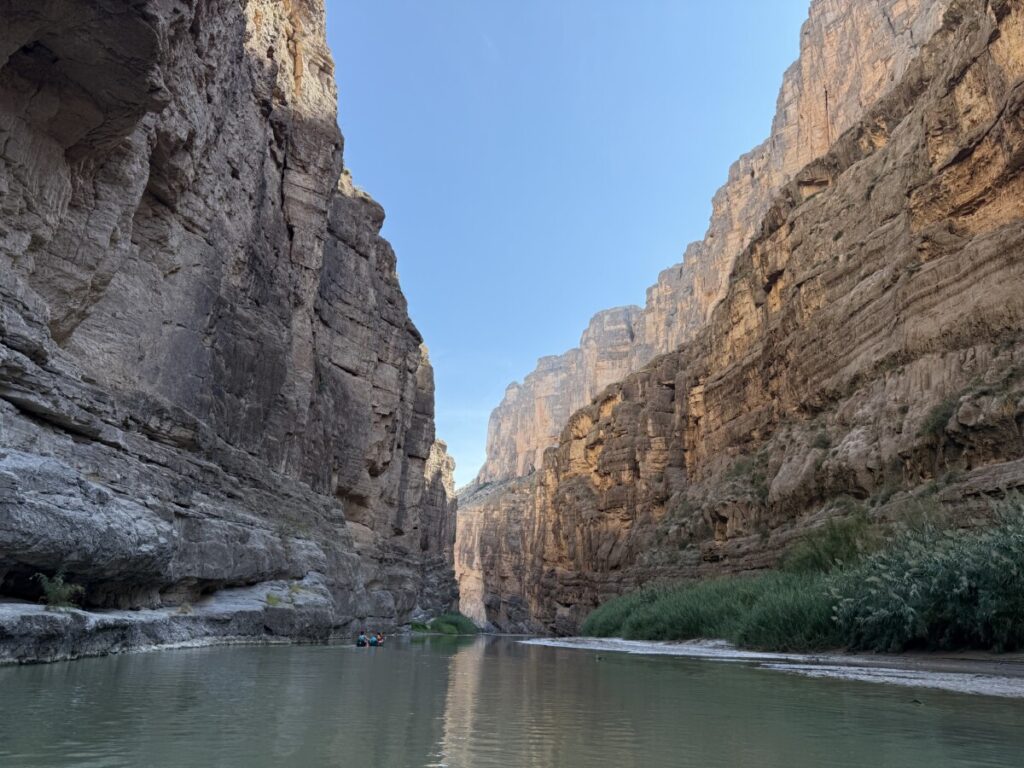
National parks are not just natural spaces. Many protect the cultural and historical stories that define America—from historic sites to sacred places.
Mesa Verde preserves the ancestral settlements of the Ancestral Puebloan peoples. The Martin Luther King Jr. National Historical Park honors the legacy of the civil rights movement. Yellowstone National Park sits on sacred lands of the Shoshone, Crow, and Northern Cheyenne peoples, whose relationship with that landscape spans millennia.
These parks preserve both natural features and cultural resources that might otherwise be forgotten or overlooked. They keep history visible, accessible, and real—not abstract or distant, but something you can walk through, experience, and understand on a human level.
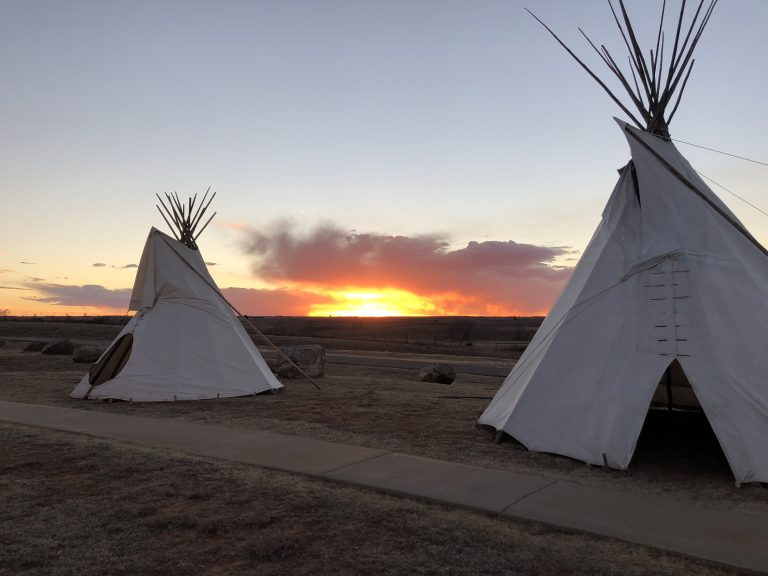
Indigenous communities, in particular, have deep and ongoing relationships with park lands. Increasingly, national parks are recognizing the importance of Indigenous stewardship and co-management. This shift acknowledges a fundamental truth: the lands westerners call “wilderness” have been shaped and cared for by Indigenous peoples for thousands of years. True protection means honoring and supporting that knowledge and relationship.
3. National Parks Create Equal Access to Nature
For much of American history, barriers to accessing parks have been real and systemic. Geographic distance, cost, transportation, and even discrimination have historically kept many communities out of parks.
This matters profoundly. Research consistently shows that experiences in nature have enormous benefits for human health and wellbeing: lower stress, improved mental health, increased physical activity, and a stronger sense of connection and community. Yet these benefits have not been equally accessible to all Americans. First-time park visitors from underrepresented communities face particular barriers, from a lack of information to transportation challenges to cultural factors.
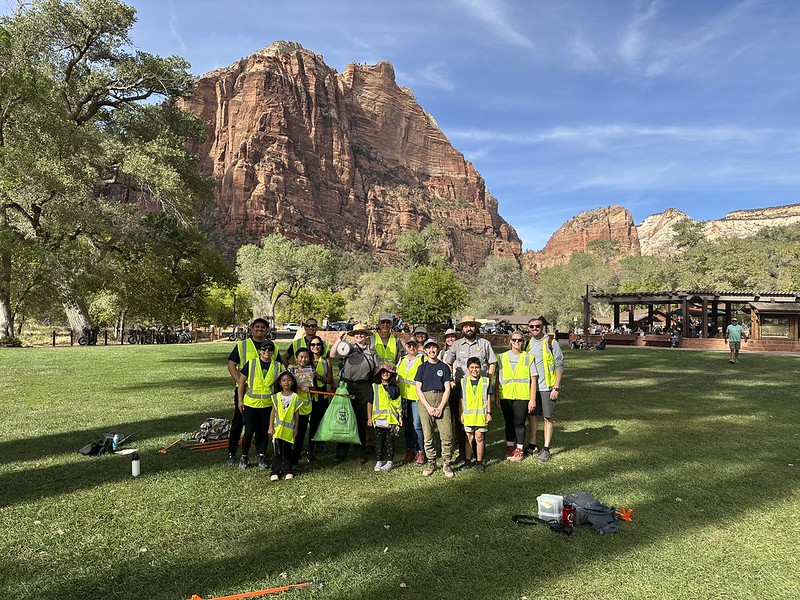
National parks represent a democratic ideal: that America’s most beautiful and valuable lands belong to all of us, regardless of income, background, or geography. A child from Detroit should be able to experience the Mackinac Straits. A family from an urban neighborhood should be able to hike in the mountains. First-time visitors and local communities should feel welcomed and supported. That access is not a luxury—it’s foundational to belonging, stewardship, and shared ownership of our natural heritage.
When parks remain hard to reach, or when families don’t know about programs and access points, that ideal falls short. The National Park Trust exists to close this gap. We work intentionally to bring youth and families to parks and ensure that park experiences are truly for everyone. We believe that when people experience parks firsthand, they become lifelong advocates for their protection.
4. National Parks Drive Economic Benefit
National parks are economic engines. In 2022 alone, visitors to national parks spent over $42 billion in gateway communities, supporting hundreds of thousands of jobs in lodging, food service, transportation, and retail.
But the economic benefits go deeper than visitor spending. Parks protect water supplies for millions of people and major agricultural regions. Healthy ecosystems provide pollination services, flood control, and climate regulation—services that have enormous monetary value. The clean air, clean water, and stable climate that parks help maintain are worth trillions of dollars over time.
Parks also attract talent and investment. Communities near great parks (such as Boulder near Rocky Mountain National Park, Moab near Canyonlands, Jackson Hole near Grand Teton) have become economic and cultural hubs precisely because of their proximity to protected landscapes.
5. National Parks Are Where We Build Stewardship
Perhaps most importantly, national parks are where we build stewardship: that deep sense of responsibility and care for the natural world that leads to lasting protection.
When a child stands in front of a waterfall in a national park, or watches wildlife from a distance, or hikes a trail that took hours to reach, something changes. Nature stops being abstract or distant. It becomes real. The park becomes a place they care about protecting.
This is how we cultivate the next generation of conservationists, scientists, and engaged citizens who understand why environmental protection matters. National parks are classrooms without walls: places where we learn not just about ecosystems, but about our connection to them and our responsibility to preserve them.
This is why the National Park Trust prioritizes youth and family access to parks. When young people experience parks directly, they develop the relationships and understanding that fuel lifelong stewardship.
The Challenge: Protecting Parks Early
Here’s the critical insight that drives National Park Trust’s work: the parks we have today exist because they were protected early (often before their ecological or cultural value was fully appreciated, and before development threatened them).
Yellowstone National Park was America’s first national park, protected in 1872, long before the economic value of tourism was clear. Yosemite National Park was protected before California’s population exploded. The Grand Canyon was protected before dam projects could fragment it further. Today, protected lands span from the glaciers of Alaska to the deserts of Arizona, the mountains of Colorado and Montana, the swamps of Florida, and the wide-open spaces of Wyoming.
The national park system has also been extended to include national monuments and other protected areas. Each safeguards unique ecosystems and cultural resources. But that early protection required vision and action. It required people who saw the value in preserving these places before they were threatened.
Today, we face the same challenge. There are landscapes that are not yet protected but could be threatened in the coming years. The question we face is the same one our ancestors faced: Do we act now to protect them, or do we wait until they’re lost?
National Park Trust operates from a simple but powerful principle: protect lands early, before they’re threatened, and ensure that all people have meaningful access to experience them. This approach is less costly, more effective, and more equitable than trying to save lands after they’re already degraded or developed. Early protection works—the parks we cherish today prove it.
National Parks in a Changing World
As our climate changes and our population grows, national parks become even more critical. They are refuges for species facing habitat loss. They are sources of hope in an uncertain time. They are places where we can experience natural beauty and remember what’s worth protecting.
But parks cannot protect themselves. They require consistent funding, smart management, and community support. Ongoing conservation efforts are essential to maintaining the health and integrity of protected areas. Parks need to be expanded and deepened—with more parks protecting diverse ecosystems across public lands, more programs ensuring equitable access, and more protection of vulnerable lands before they’re threatened.
Ultimately, national parks exist to secure natural beauty, cultural heritage, and biological diversity for the enjoyment of future generations. That responsibility is ours today.
Your Role in Park Protection
National parks matter because people care about them. That care translates into protection.
When you visit a park, you’re not just taking a vacation. You’re building a relationship with a place. You’re becoming part of the constituency that supports its protection. You’re teaching your children or students that these places matter.
National Park Trust believes that park protection is a shared responsibility. Here are concrete ways you can be part of the solution:
Support Early Land Protection
The most effective conservation happens before land is threatened. Donate to organizations like National Park Trust that work to protect vulnerable lands early, before they’re lost to development. Early protection is less costly and more effective than trying to restore degraded lands.
Expand Access to Parks
Support programs that bring underrepresented youth and families to national parks. When people experience parks directly, they become lifelong advocates. National Park Trust’s youth and family programs are designed to break down barriers and ensure that park benefits reach all communities.
Visit Parks and Bring Others
When you visit a national park, you’re supporting the economic case for protection and demonstrating the value these places hold. Invite family, friends, and colleagues. Especially encourage first-time visitors from communities that have been historically excluded from outdoor spaces.
Advocate for Park Protection
Vote for leaders who support park funding and protection. Support policies that expand public lands and strengthen conservation efforts. Write to your representatives about the importance of parks to your community. Public support is what keeps parks protected and funded.
Support Indigenous Stewardship
National parks sit on lands that have been cared for by Indigenous peoples for thousands of years. Support policies and organizations that recognize Indigenous stewardship and ensure that Indigenous communities have a voice in park management and decision-making.
Educate Your Community
Share what you’ve learned about why parks matter. Talk to your neighbors, colleagues, and community members about the ecosystem services parks provide, the cultural heritage they protect, and the stewardship they build. Public understanding fuels protection.
National parks endure because people believe they’re worth protecting. That belief is what keeps America’s national parks wild, accessible, and alive for future generations.
The parks we have today are a gift from those who came before us. The parks that will exist tomorrow depend on what we do now. Whether through visiting, donating, volunteering, or advocating, your engagement with parks and park protection matters.
Learn more about how you can support park protection, expand access to parks, and be part of National Park Trust’s mission.