America’s National Parks: What They Are, Why They Matter, and How to Explore Them
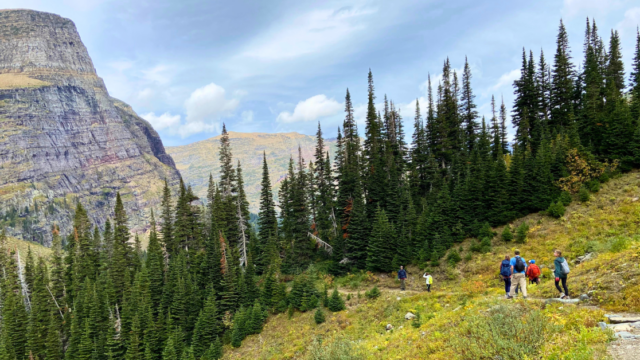
America’s national parks are federally protected lands set aside for their natural beauty and cultural significance. The National Park System includes 63 national parks and more than 400 total units, all managed by the National Park Service (NPS), an agency within the Department of the Interior.
From the geysers of Yellowstone National Park to the mile-deep expanse of Grand Canyon National Park, these protected landscapes safeguard some of the country’s most valuable natural and cultural resources. National parks matter because they protect ecosystems and give people of every generation a place to connect with the outdoors. National Park Trust works to protect the at-risk land inside and alongside these parks and to help more people, especially first-time visitors, experience them firsthand.
What Is the National Park System?
The National Park System traces back to 1872, when Yellowstone was designated the world’s first national park. Congress formally established the National Park Service in 1916 to oversee this growing network of protected lands, tasking the agency with a dual mission: preserving natural and historic resources unimpaired while making them accessible for public enjoyment.
President Theodore Roosevelt played an outsized role in shaping this legacy. Though he served before the NPS existed, Roosevelt used the Antiquities Act of 1906 to establish some of the country’s first national monuments, laying the groundwork for the park system that followed. Today, the Department of the Interior oversees the NPS alongside other public lands agencies, and the system has grown to include more than 400 units across nearly 20 different designations.
Not every unit in the system carries the “national park” designation. National monuments, for example, are typically established by presidential proclamation to protect a specific resource, while national parks require an act of Congress and generally protect larger, more diverse landscapes.
Beyond these two categories, the National Park System also includes national historic sites, national historical parks, national battlefields, national military parks, national seashores, national lakeshores, national recreation areas, national memorials, national preserves, and national parkways, among other designations. Each carries its own purpose and level of protection, but all serve the same underlying goal of protecting public lands for the benefit of current and future generations.
Why National Parks Matter
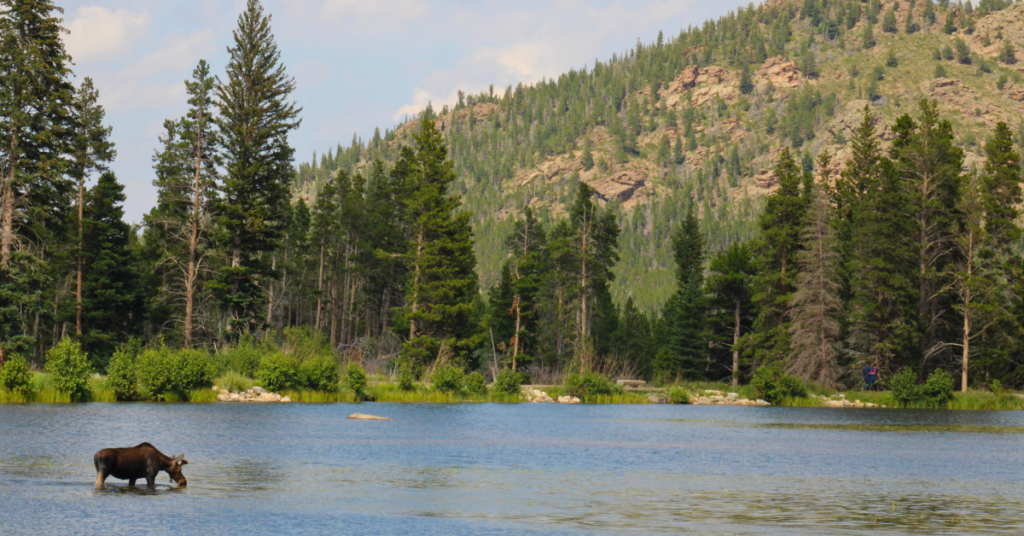
National parks protect far more than scenery. They safeguard entire ecosystems, from desert canyonlands to old-growth forests, along with the wildlife that depends on them. Yellowstone alone sits atop an active volcano and supports grizzly bears, wolves, and one of the last continuously wild bison herds in the country. Glacier National Park protects habitat for grizzly bears and mountain goats along the U.S.-Canada border, while Rocky Mountain National Park’s alpine meadows burst with wildflowers each summer.
These protected landscapes also matter as sources of clean water, healthy forests, and open space for the surrounding communities. And national parks are significant economic engines: tourism to national parks supports local economies and jobs in gateway communities across the country.
Beyond ecology and economics, national parks also carry deep cultural weight. Long before they were federally protected, places like Mesa Verde National Park were home to Indigenous peoples whose history is woven into the land itself, while national battlefields and national historic sites, such as Frederick Douglass National Historic Site, preserve the ground where pivotal moments in American history unfolded. These layers of natural and cultural significance are what make national parks worth protecting.
Iconic National Parks Worth Exploring
Yellowstone National Park was the country’s first national park and remains one of its most extraordinary. Its geysers, hot springs, and volcanic landscape sit atop one of the world’s largest active volcanoes, and its wildlife, including grizzly bears and free-roaming bison, draws visitors from around the globe.
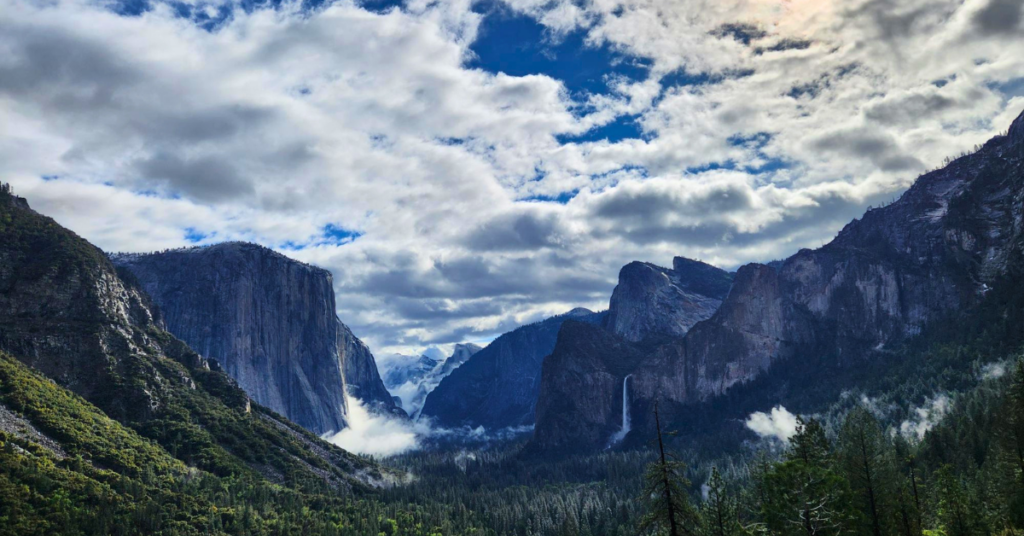
Yosemite National Park protects some of the most dramatic natural beauty in California, from the granite face of El Capitan to Yosemite Valley’s waterfalls and giant sequoia groves.
Grand Canyon National Park offers one of the most recognizable landscapes on Earth. Carved by the Colorado River over millions of years, the canyon reveals nearly two billion years of geologic history in its layered walls.
Zion National Park in Utah is known for its towering red sandstone cliffs and narrow slot canyons, a landscape shaped by water, wind, and time.
Glacier National Park in Montana protects rugged alpine terrain, remnant glaciers, and habitat for grizzly bears, making it one of the most ecologically intact areas in the Lower 48.
Grand Teton National Park, just south of Yellowstone, is defined by the jagged peaks of the Teton Range rising abruptly from the valley floor.
Rocky Mountain National Park in Colorado spans more than 300 square miles of alpine tundra, forest, and wildflower-filled meadows above 12,000 feet.
Acadia National Park protects the rocky coastline of Maine, offering a dramatically different landscape from the West’s canyons and mountains.
Badlands National Park in South Dakota reveals layered rock formations and fossil beds that tell a story stretching back tens of millions of years.
Theodore Roosevelt National Park in North Dakota honors the president whose ranching years there shaped his conservation legacy, and protects badlands habitat for bison and wild horses.
Canyonlands National Park in Utah preserves a vast, remote landscape of canyons, mesas, and buttes carved by the Colorado and Green Rivers.
Mesa Verde National Park protects more than 600 cliff dwellings built by Ancestral Puebloans, offering a direct connection to the Indigenous peoples who called this land home centuries before it became a park.
How to Explore the National Park System
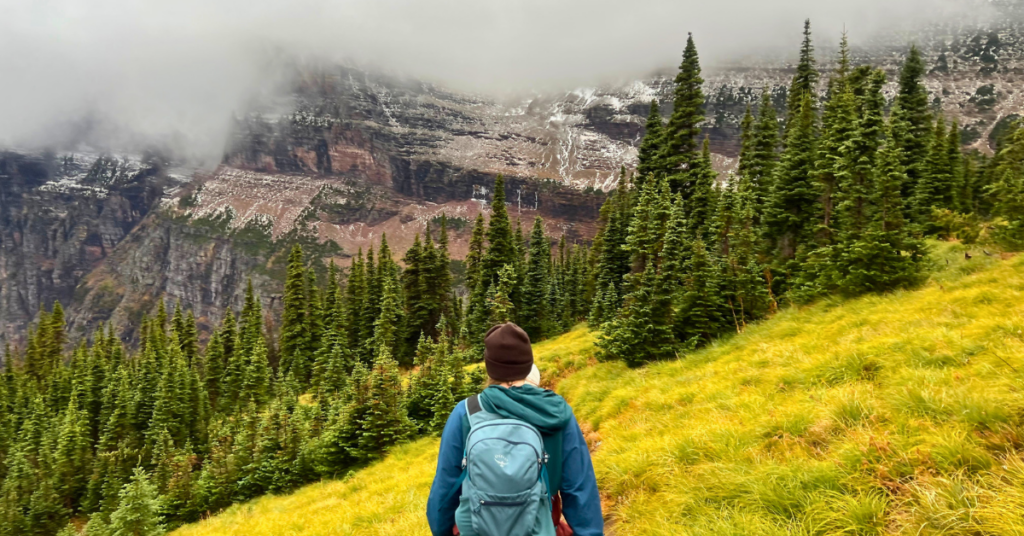
Visiting a national park is often where the connection to these places begins. Planning ahead, checking seasonal conditions, and researching a park’s trails or visitor centers in advance all help make the experience safer and more rewarding. Many parks also offer Junior Ranger programs and ranger-led talks that help visitors of all ages understand the natural and cultural history behind the landscape they’re exploring.
That first visit matters. People who experience a national park, especially for the first time, are more likely to become the stewards who help protect these places for the long term. That’s part of why National Park Trust works to expand access to parks and public lands for young people and families through programs like Kids to Parks Day and the Buddy Bison School Program.
Protecting Parks for Future Generations
Not all land within national park boundaries is federally owned. Private parcels sit inside and alongside many parks, and when they become available for purchase, there is often only a narrow window before that land changes hands and the opportunity to protect it disappears. National Park Trust exists to act in that window: acquiring at-risk land and protecting it before it’s gone.
Since 1983, National Park Trust has worked as an independent, nongovernmental nonprofit focused exclusively on this mission, protecting land in and around national parks while helping more people build a lasting connection to them.
Your support helps protect the missing pieces of America’s national parks before they’re lost. Learn how you can support this work.
Frequently Asked Questions
What is the difference between a national park and a national monument? National parks are established by an act of Congress and typically protect large, ecologically diverse landscapes. National monuments are usually created by presidential proclamation under the Antiquities Act to protect a specific natural, cultural, or historic resource. Both are managed as part of the National Park System.
How many national parks are there in the United States? There are 63 national parks in the National Park System, part of a larger network of more than 400 units managed by the National Park Service.
Who oversees the National Park System? The National Park Service, an agency of the Department of the Interior, manages the National Park System.
How can I help protect national parks? Visiting responsibly, staying on marked trails, and following Leave No Trace principles all help protect national parks during every visit.
Beyond responsible visits, the most direct way to help protect national parks over the long term is by supporting National Park Trust. The Park Trust is the only boots-on-the-ground national nonprofit working exclusively on behalf of our national parks—advancing both land protection and public access through direct action. As a longstanding partner to the National Park Service, we operate independently of the government while delivering lasting conservation and community impact.
Visit National Park Trust’s Ways to Support page to see specific ways to get involved.
About National Park Trust
National Park Trust is an independent, nonpartisan 501(c)(3) nonprofit that has protected national park land since 1983, acquiring missing pieces of our national parks and benefiting 58 national park sites nationwide. Our mission is to preserve parks today and create park stewards for tomorrow.
Our youth education and family initiatives — Buddy Bison School Programs, College Ambassador Program, and Military Family Programs, along with National Kids to Parks Day — connect tens of thousands of people to the outdoors each year.
We believe public parks, lands, and waters should be cared for, enjoyed, and preserved by all, for current and future generations. Learn more at parktrust.org.