Great Smoky Mountains National Park: Best Things to See, Do, and Know
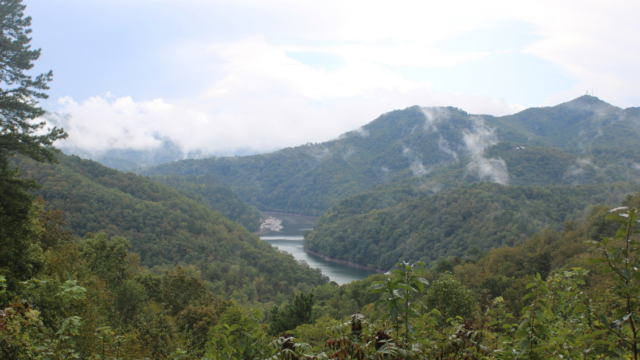
Great Smoky Mountains National Park straddles the border of Tennessee and North Carolina, rising out of the southern Appalachian Mountains as the most visited national park in the country, with more than 12 million visitors in 2024. Known to locals and frequent visitors simply as GSMNP, the park protects 522,427 acres of ancient, biodiverse forest, laced with more than 850 miles of hiking trails, cascading waterfalls, and some of the highest peaks east of the Mississippi. Whether you’re planning a first visit or your tenth, here’s what to see, do, and know before you go.
At a Glance
- Location: Straddles the Tennessee–North Carolina border, part of the greater Appalachian Mountains range.
- Size: 522,427 acres, roughly 800 square miles.
- Trails: About 850 miles, including more than 70 miles of the Appalachian Trail.
- Entrance fee: None. A parking tag is required for any vehicle parked more than 15 minutes.
- Nearby towns: Gatlinburg, Pigeon Forge, and Cherokee in Tennessee; Asheville and Bryson City in North Carolina.
Scenic Drives Worth the Trip
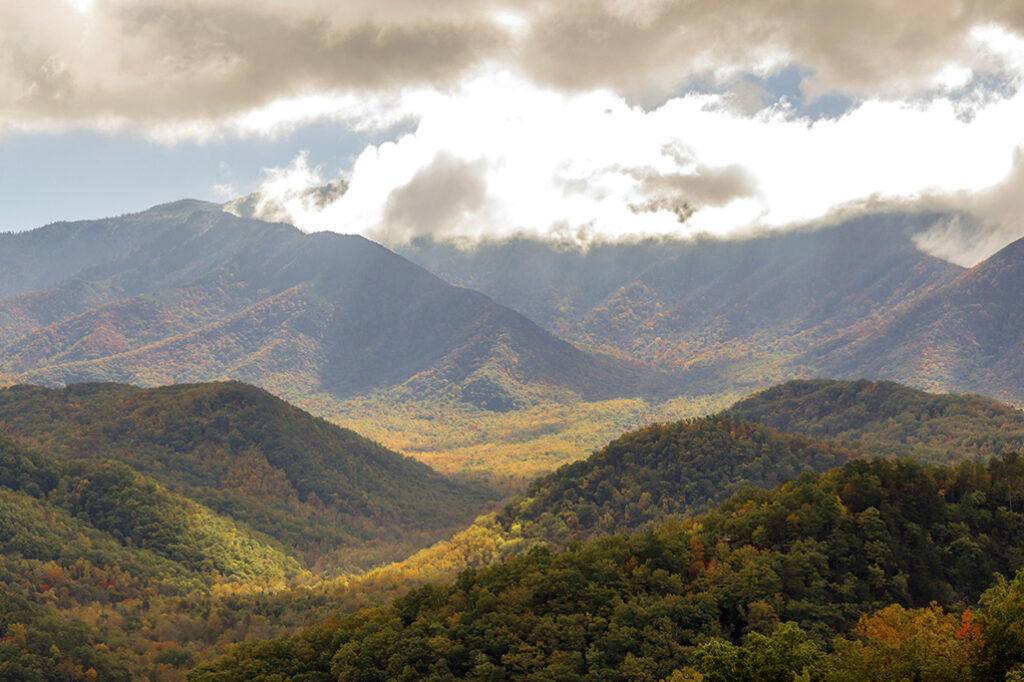
The park’s scenic drives are often the easiest way to take in its range, from misty ridgelines to river valleys.
Newfound Gap Road cuts straight through the heart of the park, connecting Gatlinburg, Tennessee, to Cherokee, North Carolina, and climbing more than 3,000 feet along the way. It’s the main route to Kuwohi (formerly known as Clingmans Dome) and one of the best places in the park to watch the forest change with elevation.
Roaring Fork Motor Nature Trail is a slower, one-way loop near Gatlinburg lined with historic buildings, rushing streams, and trailheads for short hikes to Grotto Falls and Rainbow Falls.
Cades Cove Loop Road, an 11-mile drive through one of the park’s most popular valleys, offers some of the best wildlife viewing in the Smokies, along with preserved churches, cabins, and a working gristmill.
Further afield, the Foothills Parkway and the Blue Ridge Parkway extend the scenic-drive experience well beyond the park boundary, connecting to Asheville, North Carolina, and offering sweeping overlooks of the surrounding ridgelines.
Hiking Trails and Waterfalls
With around 850 miles of hiking trails, the Smokies offer routes for every skill level.
- Laurel Falls Trail is one of the most popular hikes in the park, a paved 2.6-mile round trip leading to an 80-foot waterfall.
- Abrams Falls, near Cades Cove, is a moderate 5-mile round-trip hike to a wide, powerful waterfall.
- Rainbow Falls and Grotto Falls, both reached from trailheads along the Cherokee Orchard Road and Roaring Fork Motor Nature Trail corridor, reward hikers with two of the park’s most photographed cascades. Grotto Falls is also one of the only waterfalls in the park you can walk behind.
- The Sinks, a roadside cascade along Little River Road, and Meigs Falls, visible from the road itself, are easy stops for visitors short on time.
- Place of a Thousand Drips, near the end of the Roaring Fork Motor Nature Trail, is a wide rock face where dozens of small streams trickle down after a good rain.
Long-distance hikers know the park as a key link in the Appalachian Trail, which runs more than 70 miles along the crest of the Smokies, roughly following the Tennessee–North Carolina state line.
Kuwohi: The Highest Point in the Smokies
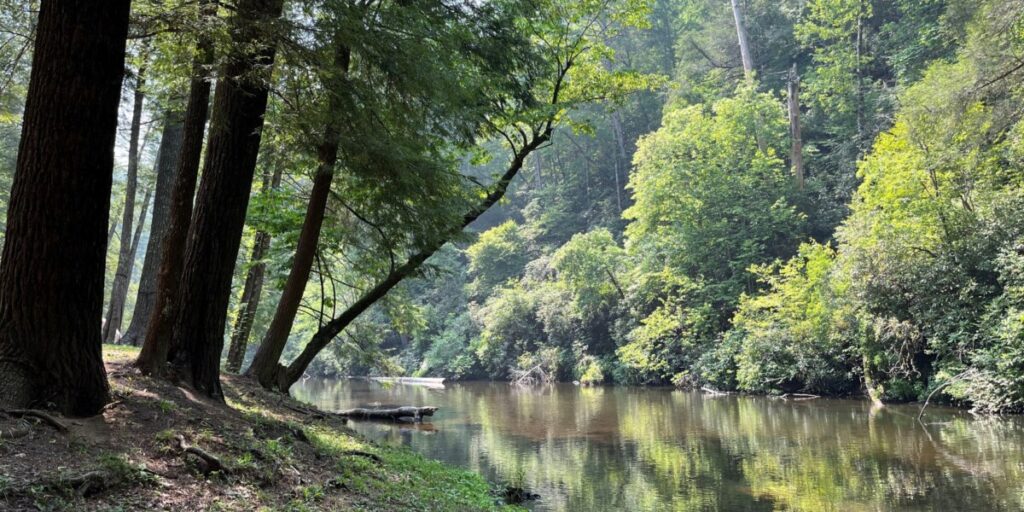
At 6,643 feet, Kuwohi is the highest peak in Great Smoky Mountains National Park and the third-highest mountain east of the Mississippi River. In 2024, the U.S. Board on Geographic Names formally restored the mountain’s Cherokee name, Kuwohi, meaning “mulberry place,” at the request of the Eastern Band of Cherokee Indians. A half-mile paved trail leads from the parking area to an observation tower with panoramic views that, on a clear day, stretch more than 100 miles.
Wildlife: Black Bears and Elk
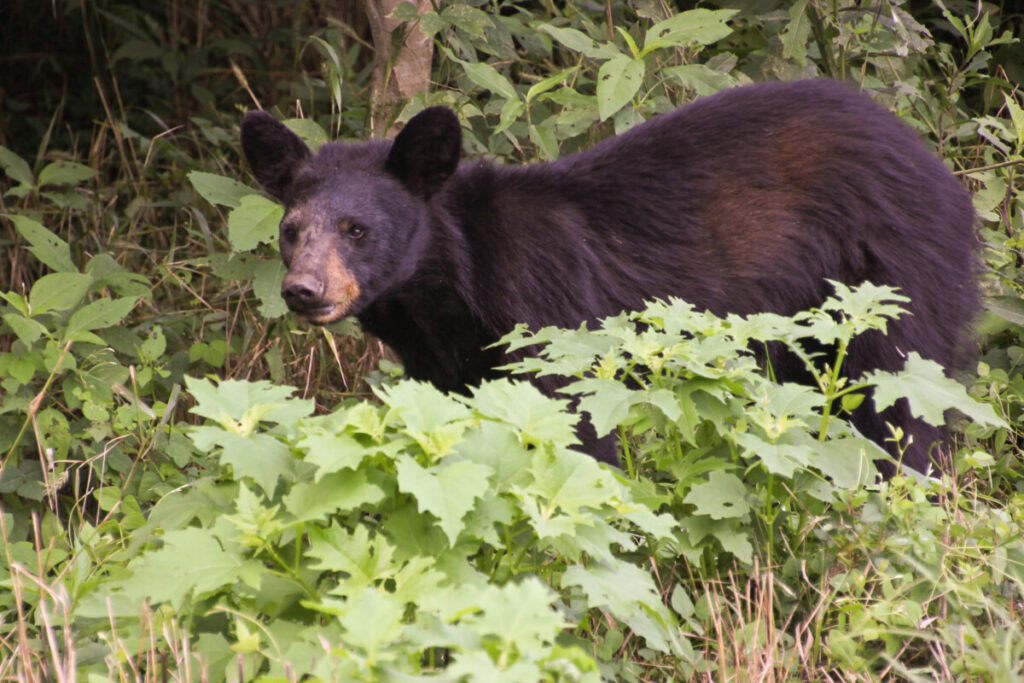
Great Smoky Mountains National Park is home to an estimated 1,500 to 1,900 black bears, one of the densest black bear populations in the eastern United States. Bears are active throughout the park, so visitors should store food properly and keep a safe distance if they spot one.
Elk were reintroduced to the park in 2001, after being absent from the region for more than a century. Today, a herd of roughly 200 elk is most commonly seen in the Cataloochee and Oconaluftee valleys, particularly during early morning and evening hours in fall, when bull elk bugle during the rut.
History and Culture
Long before it became a national park in 1934, this land was home to the Cherokee people and, later, generations of Appalachian farming families. Their legacy remains visible throughout the park.
The Mountain Farm Museum, next to the Oconaluftee Visitor Center on the North Carolina side, gathers historic buildings from around the region into a working farmstead that shows how mountain families lived off the land. Elkmont, on the Tennessee side, and Cataloochee, in North Carolina, each preserve entire former communities, including cabins, churches, and barns that tell the story of the people who called these valleys home before the park was established.
The Sugarlands Visitor Center, near the Gatlinburg entrance, is the park’s main hub for exhibits, trip planning, and ranger programs, and a good first stop for any visit.
Camping in the Smokies
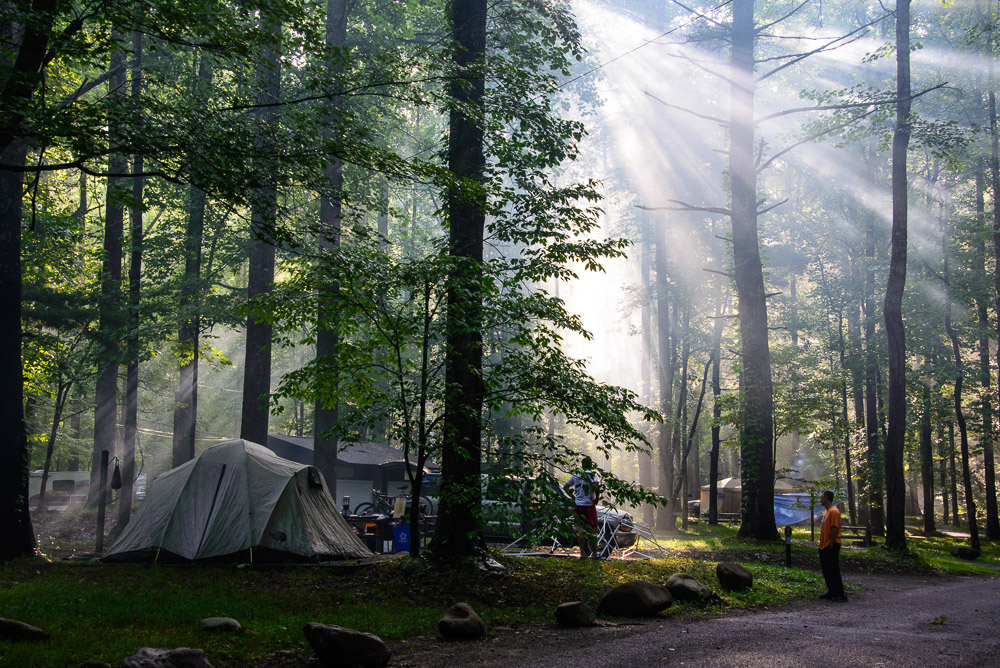
The park offers developed campgrounds for visitors who want to stay overnight, including the historic Elkmont Campground, one of the largest in the park and a popular base for exploring nearby trails and waterfalls. Cades Cove, Cataloochee, and several other campgrounds round out the park’s camping options, with sites ranging from easily accessible to more remote. Backcountry camping is also available with a permit for hikers tackling longer stretches of the Appalachian Trail or other backcountry routes.
Seasonal Highlights: Wildflowers and Fall Foliage
Spring brings one of the park’s signature displays: more than 1,500 species of flowering plants, including trillium, lady’s slipper, and flame azalea, earning the Smokies a reputation as a wildflower haven. Fall foliage draws equally large crowds, typically peaking in mid-to-late October at higher elevations and into early November in the valleys, as the forest turns shades of red, orange, and gold along Newfound Gap Road and the Blue Ridge Parkway.
Gateway Towns: Gatlinburg, Pigeon Forge, and Asheville
Great Smoky Mountains National Park is framed by some of the most visited gateway towns in the country. Gatlinburg, Tennessee, sits directly at the park’s northern entrance and offers easy access to Sugarlands Visitor Center and the Roaring Fork Motor Nature Trail. Pigeon Forge, home to Dollywood, is just down the road and a popular base for families. On the North Carolina side, Asheville offers a gateway to the Blue Ridge Parkway and the park’s eastern trails, while Cherokee provides direct access to Oconaluftee and the Mountain Farm Museum.
Know Before You Go: The Parking Tag
Great Smoky Mountains National Park does not charge an entrance fee, but since 2023, a parking tag has been required for any vehicle parked in the park for longer than 15 minutes. Daily tags cost $5, weekly tags cost $15, and annual tags cost $40. Tags can be purchased online or at visitor centers and kiosks throughout the park, and the revenue supports trail maintenance, staffing, and other park operations.
Why Land Protection Matters in Places Like the Smokies
Great Smoky Mountains National Park was built from thousands of individual land purchases and donations in the early twentieth century, and its boundaries still contain private parcels that sit unprotected.
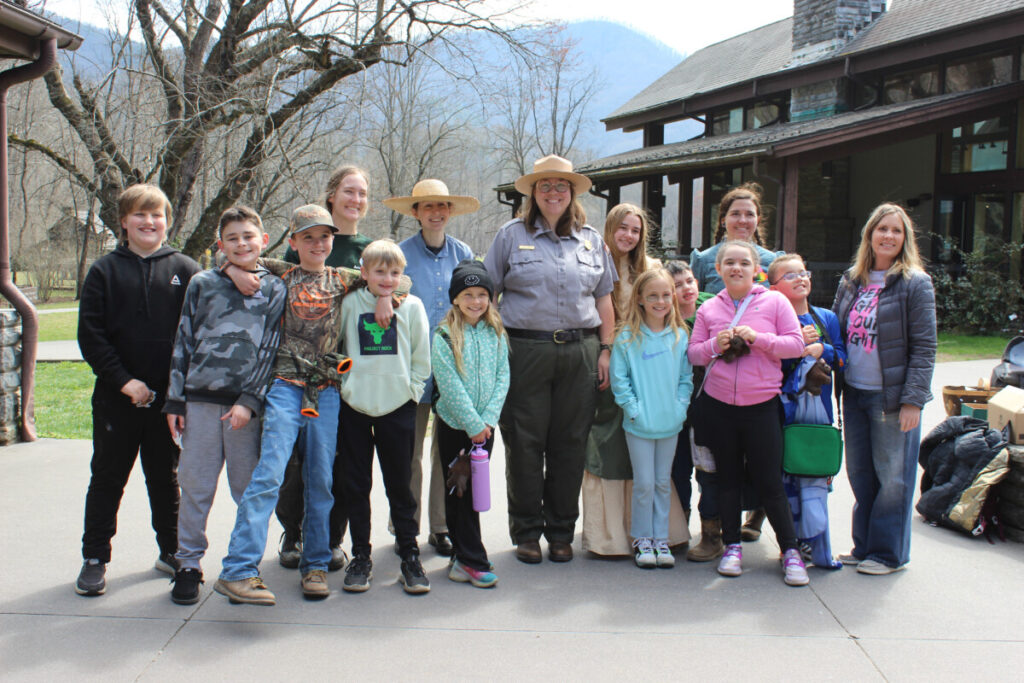
National Park Trust is an independent 501(c)(3) nonprofit that acts when land like this becomes available, acquiring and holding at-risk parcels inside and alongside national parks until they can be transferred into permanent park protection. The organization also works to expand access to parks like the Smokies through programs such as Kids to Parks Day and Buddy Bison, helping young people and first-time visitors build a connection to public lands that leads to lifelong stewardship.
Frequently Asked Questions
Do I need a reservation to visit Great Smoky Mountains National Park? No general park reservation is required. However, a parking tag is required for any vehicle left for more than 15 minutes, and some specific areas require separate permits or reservations during peak season.
What is Kuwohi, and is it the same as Clingmans Dome? Yes. Kuwohi is the Cherokee name for the mountain long known as Clingmans Dome. The U.S. Board on Geographic Names restored the name in 2024 at the request of the Eastern Band of Cherokee Indians. At 6,643 feet, it remains the highest point in the park.
Where is the best place to see elk in the park? Cataloochee and Oconaluftee, both on the North Carolina side of the park, offer the most reliable elk viewing, especially in early morning and evening.
Is it safe to hike where black bears live? Black bears are common throughout the park. Visitors should store food securely, hike in groups where possible, and keep a safe distance from any bear they encounter.
Support Land Protection in America’s Parks
Places like Great Smoky Mountains National Park depend on land being protected before it’s lost. Visit National Park Trust’s Ways to Support page to learn how you can help protect at-risk park land and help more first-time visitors experience places like the Smokies for themselves.
About National Park Trust
National Park Trust is an independent, nonpartisan 501(c)(3) nonprofit that has protected national park land since 1983, acquiring missing pieces of our national parks and benefiting 58 national park sites nationwide. Our mission is to preserve parks today and create park stewards for tomorrow.
Our youth education and family initiatives — Buddy Bison School Programs, College Ambassador Program, and Military Family Programs, along with National Kids to Parks Day — connect tens of thousands of people to the outdoors each year.
We believe public parks, lands, and waters should be cared for, enjoyed, and preserved by all, for current and future generations. Learn more at parktrust.org.