Hot Springs National Park: Why This Park Is Unlike Any Other
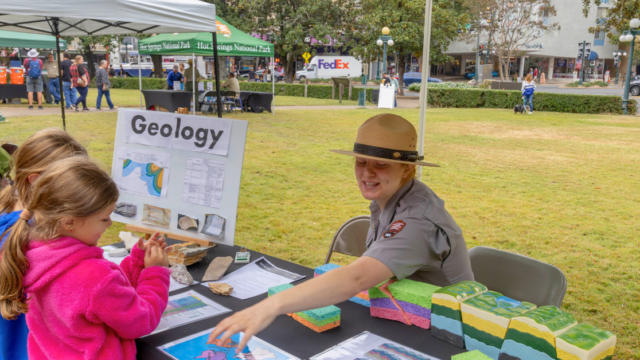
Hot Springs National Park stands as the only national park built around a functioning downtown, drawing more than 2.4 million visitors annually to soak in the tradition of Bathhouse Row and explore the forested slopes of the Ouachita Mountains. Located in Hot Springs, Arkansas, the park blends thermal springs, historic architecture, and hiking trails in a way no other unit in the National Park System does — and that combination is exactly what makes it worth understanding.
What Makes Hot Springs National Park Different
Most national parks protect remote wilderness. Hot Springs National Park protects something rarer: a place where a small mountain city grew up directly around a natural resource the National Park Service was created to preserve. Downtown Hot Springs sits inside the park boundary, with Bathhouse Row — eight historic bathhouses lining Central Avenue, backed by the Grand Promenade walkway on the hillside behind them — forming the park’s civic and architectural core.
The park’s story began long before it carried that name. The Caddo and Quapaw people knew this valley for its thermal springs long before European settlers arrived, and the land holds cultural significance that predates the bathing culture most visitors associate with it today. In 1832, the federal government set the area aside as the Hot Springs Reservation, decades before Yellowstone became the first official national park in 1872 — making this one of the oldest federally protected landscapes in the country, even though it wasn’t formally designated a national park until 1921.
Bathhouse Row and the Historic Bathhouses
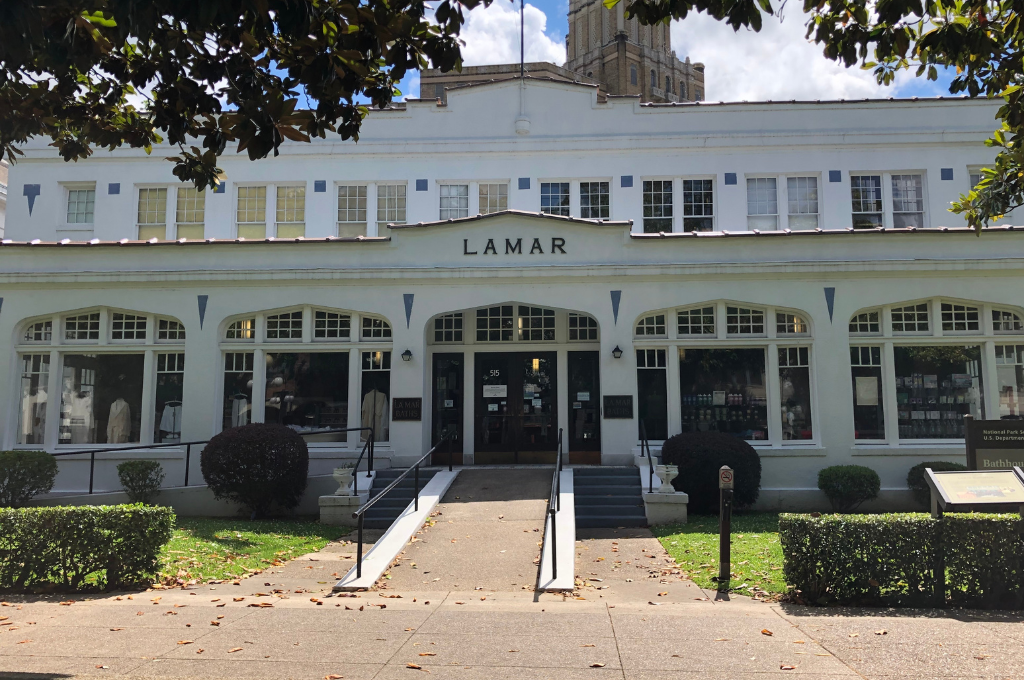
Bathhouse Row is the heart of the park and a National Historic Landmark District in its own right. Of the original eight historic bathhouses, the Fordyce Bathhouse now serves as the park’s visitor center, where guests can tour restored bath halls, dressing rooms, and a hot water cascade fountain that once fed directly into the bathing operations. The Buckstaff Bathhouse still operates as a working bathhouse today, offering visitors a chance to experience traditional thermal bathing much as guests did a century ago. Nearby, the Quapaw Bathhouse has been reimagined as a modern spa, and the Maurice Bathhouse and Lamar Bathhouse round out the row’s architectural variety — the Lamar now houses the park store. At the Superior Bathhouse Brewery, visitors can even sample beer brewed with the park’s thermal spring water, the only brewery of its kind located inside a national park.
Throughout downtown Hot Springs, public fountains let visitors fill bottles with the same thermal waters that flow down from Hot Springs Mountain, a tradition that continues largely unchanged from the park’s earliest days.
Hiking Trails and Natural Features
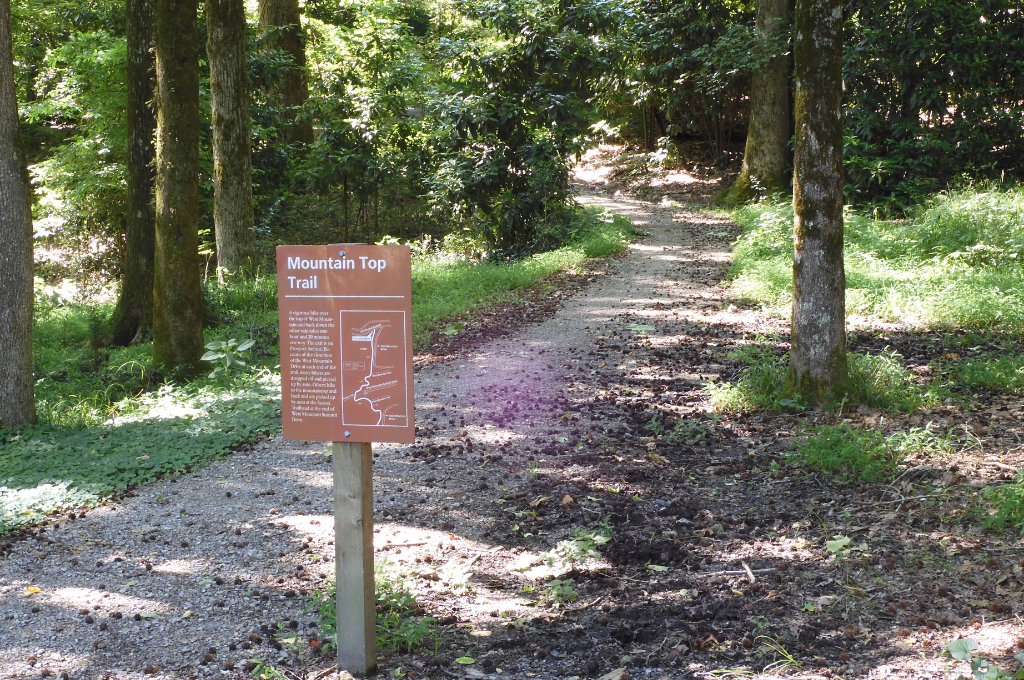
Beyond Bathhouse Row, Hot Springs National Park offers 26 miles of hiking trails winding through the Ouachita Mountains. Trails climb Hot Springs Mountain to the Mountain Tower, where visitors can look out over the Ouachitas, and connect to Gulpha Gorge Campground, the park’s only developed campground. Every mountain trail in the park reveals the same natural resource that shaped the city below: hot spring water rising from deep underground, filtered through ancient rock over thousands of years before emerging at a near-constant temperature.
Why Protecting Places Like Hot Springs National Park Matters
Hot Springs National Park shows that protection and access aren’t separate goals — they work together. The bathhouses, trails, and thermal waters that draw visitors today only exist because someone chose to protect this land before development could claim it, a pattern National Park Trust sees across the National Park System. National Park Trust is an independent 501(c)(3) nonprofit that works to protect at-risk land in and around national parks and to connect people, especially young people and first-time visitors, to meaningful outdoor experiences. Places like Hot Springs, where a historic landmark and a living city coexist, are exactly the kind of layered, irreplaceable landscapes worth safeguarding for future generations.
FAQ — Visiting Hot Springs National Park
Where is Hot Springs National Park located? Hot Springs National Park is located in central Arkansas, in and around the city of Hot Springs, on the eastern edge of the Ouachita Mountains.
What is Bathhouse Row? Bathhouse Row is a row of historic bathhouses along the Grand Promenade in downtown Hot Springs, including the Fordyce, Buckstaff, Quapaw, Maurice, and Lamar bathhouses, built to showcase the park’s thermal springs.
Can you still bathe in the thermal waters? Yes. The Buckstaff Bathhouse and the Quapaw Bathhouse both offer traditional thermal bathing experiences using the park’s natural hot spring water.
How many hiking trails does the park have? The park maintains 26 miles of hiking trails through the Ouachita Mountains, including routes up Hot Springs Mountain to the Mountain Tower.
Is Hot Springs National Park older than Yellowstone? The land was first protected as the Hot Springs Reservation in 1832, forty years before Yellowstone’s 1872 designation, though Hot Springs wasn’t formally named a national park until 1921.
Support Protection and Access for Parks Like This One
Hot Springs National Park is a reminder that national parks aren’t just remote wilderness — they’re historic landmarks, living communities, and natural resources worth protecting together. Visit National Park Trust’s Ways to Support page to help protect at-risk park land and expand access for the next generation of visitors.
About National Park Trust
National Park Trust is an independent, nonpartisan 501(c)(3) nonprofit that has protected national park land since 1983, acquiring missing pieces of our national parks and benefiting 58 national park sites nationwide. Our mission is to preserve parks today and create park stewards for tomorrow.
Our youth education and family initiatives — Buddy Bison School Programs, College Ambassador Program, and Military Family Programs, along with National Kids to Parks Day — connect tens of thousands of people to the outdoors each year.
We believe public parks, lands, and waters should be cared for, enjoyed, and preserved by all, for current and future generations. Learn more at parktrust.org.