Everything You Need to Know: 11 Incredible Bison Facts
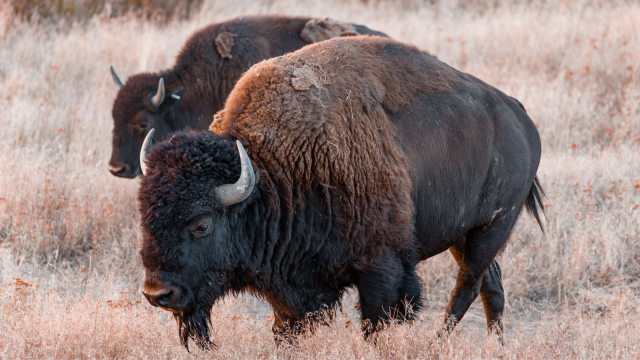
The American bison, also known as buffalo, is a symbol of resilience and an icon of the American landscape. Once roaming the Great Plains in massive herds of 30 to 60 million, plains bison were central to the lives of Native American tribes for thousands of years. However, in the late 19th and early 20th century, bison faced near extinction due to overhunting and habitat loss. Today, thanks to dedicated conservation efforts and protected lands in national parks and preserves, these magnificent creatures can freely roam again—a testament to what’s possible when we commit to protecting nature early.
At National Park Trust, we work to make stories like bison recovery possible. A nonprofit organization dedicated to protecting park lands and expanding access to nature, we believe that when we protect places early—before they’re threatened—and ensure all people can experience them, both wildlife and communities thrive. Bison represent exactly this principle: early protection combined with public access creates the conditions for species recovery and stewardship for future generations.
In this guide, we explore 10 fascinating facts about bison and why their story matters to all of us.
Why Bison Matter
Did you know the American bison is the official national mammal of the United States? In 2016, the National Bison Legacy Act was signed into law, cementing their status as a national icon. Additionally, the first Saturday of November is National Bison Day. It’s a day dedicated to celebrating these majestic creatures and recognizing their importance to our ecosystems and cultural heritage.
For Indigenous communities and Native American tribes, bison hold profound cultural and spiritual significance. These animals sustained many peoples for millennia, providing food, clothing, and materials. Today, bison restoration on public lands honors that legacy and supports the reconnection of Indigenous communities with their natural heritage.
For our team at National Park Trust, we believe bison represent an essential concept. When we protect lands before they’re threatened, and give people meaningful access to experience them, both nature and communities thrive. Bison conservation is a success story built on that principle.
Here are 10 fascinating facts about the mighty bison:
1. Bison were hunted to near extinction (and then made an incredible comeback)
In the late 19th century, bison populations plummeted from 30 to 60 million to fewer than 1,000 animals. Overhunting and habitat loss nearly wiped them out entirely. But bison have an extraordinary survival story: thanks to early protection efforts, dedicated conservation work, and the establishment of protected lands in national parks, bison have rebounded to around 20,000 free-ranging animals today—making them one of the greatest wildlife recovery success stories in American history.
This recovery didn’t happen by accident. It required visionary people who recognized the value of these animals before they were lost forever, protected them early, and ensured they had places to thrive. This is exactly what National Park Trust believes in: protecting lands early, before species face extinction, gives us the best chance to save them and restore healthy ecosystems. The bison comeback proves that when we act boldly and early, recovery is possible.
2. Male bison can grow to be over 6 feet tall and 11 feet long
Adult males (mature bulls) are truly massive animals. The average weight range for bison is between 701 and 2,205 pounds, but the heaviest bison ever recorded weighed more than 3,800 pounds. The American bison’s scientific name is Bison bison, and there are two recognized subspecies: the plains bison and the wood bison. Each subspecies has adapted to different environments and climates.
3. Bison can run faster than horses
Despite their enormous size, bison are incredibly athletic herbivores and efficient grazers. They can reach speeds of up to 35 miles per hour and jump over 6 feet high. This agility helps them navigate terrain and escape danger in their natural habitat.
4. A wild bison‘s lifespan is about 25 years
In the wild, bison typically live up to 25 years, while those in captivity may live longer. The oldest recorded bison lived to be 30 years old at San Francisco’s Golden Gate Park. A long lifespan allows them to contribute to herd stability and pass on knowledge to younger generations. This longevity is also important for maintaining genetic diversity within bison populations, which is critical as bison herds recover from near extinction.
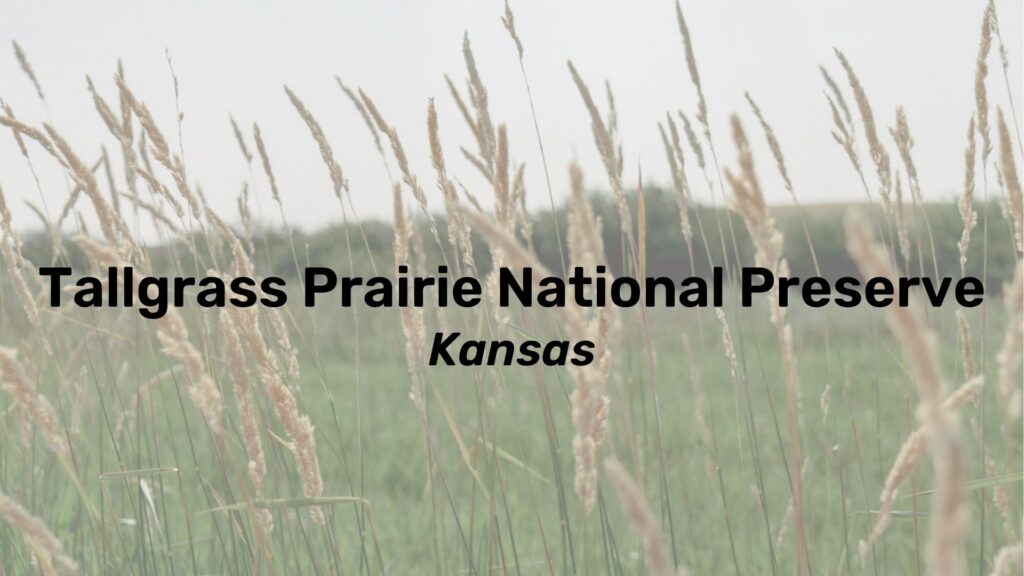
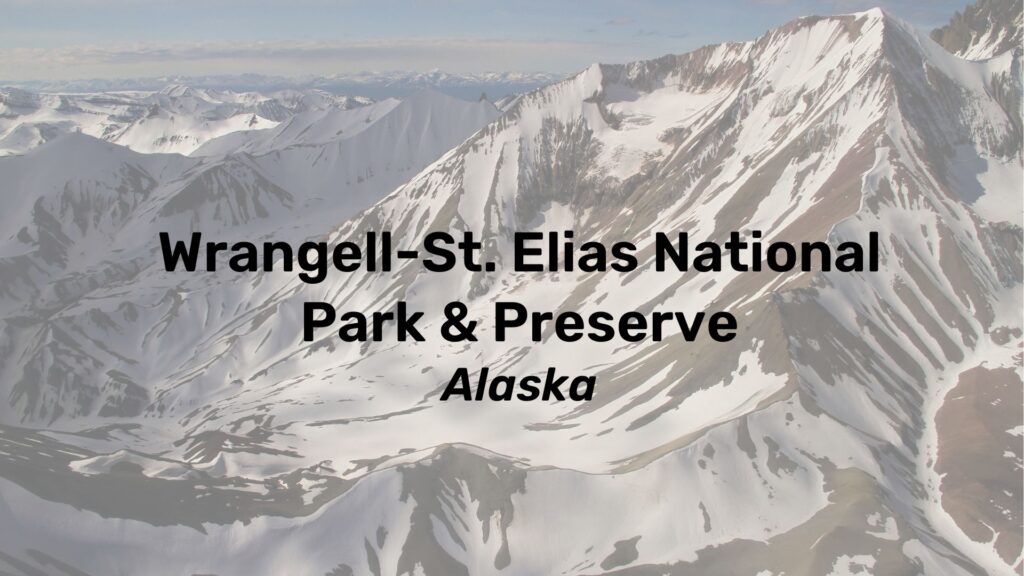
These parks play a critical role in protecting bison populations for future generations, and our land preservation efforts help ensure their continued success. Check out our park projects at Wrangell-St. Elias National Park and Preserve and Tallgrass Prairie National Preserve.
5. Nine national parks have bison herds
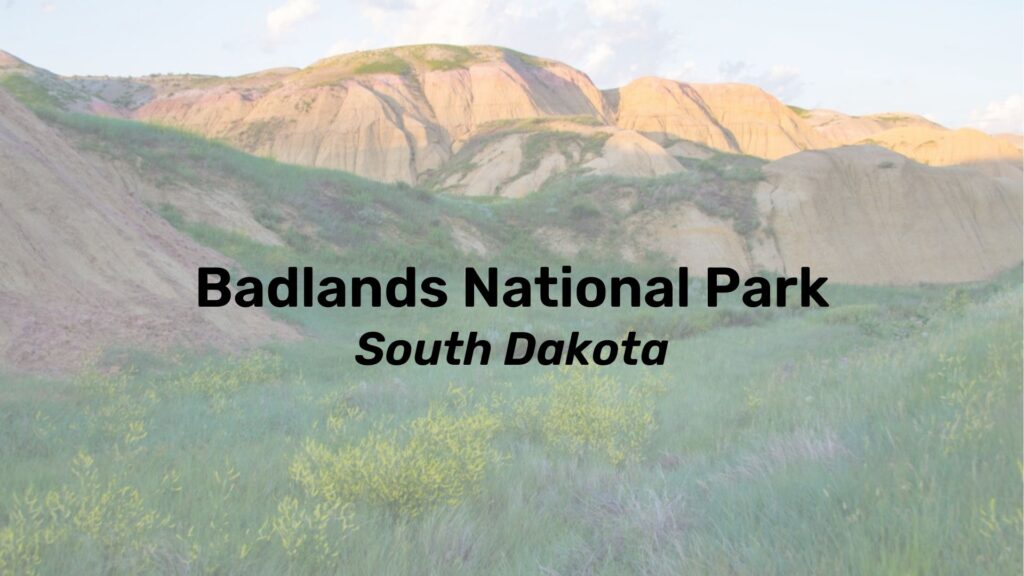
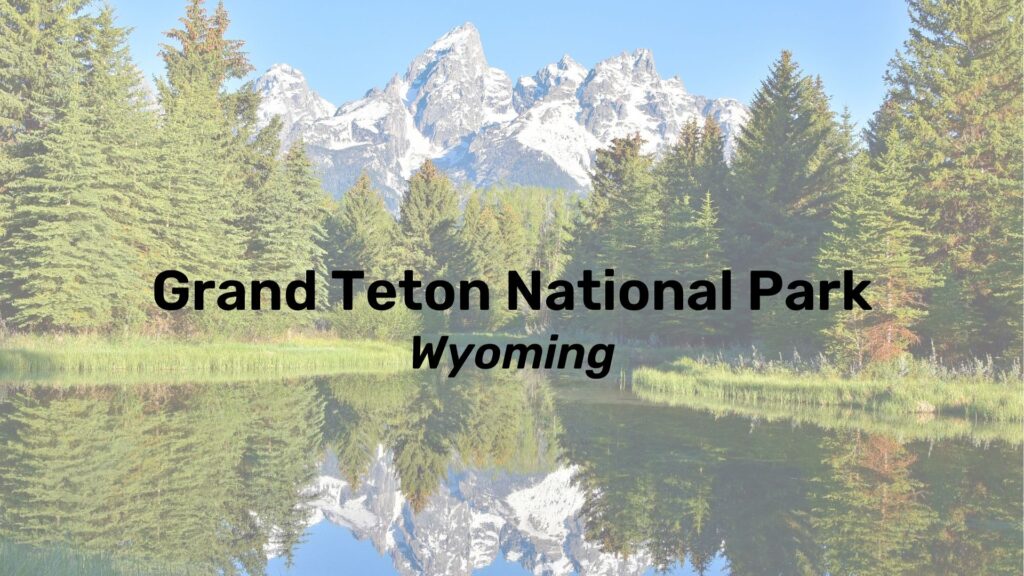
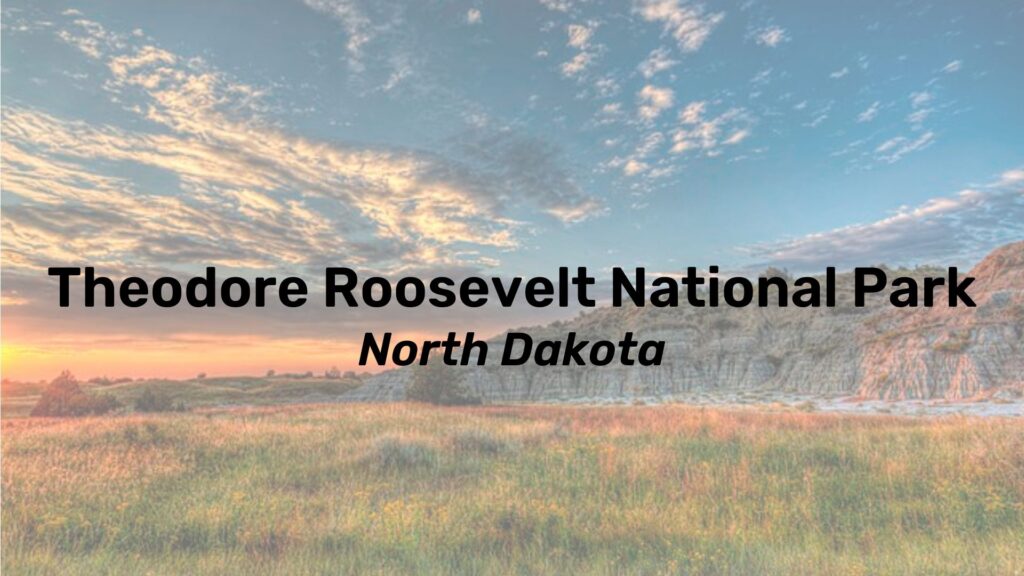
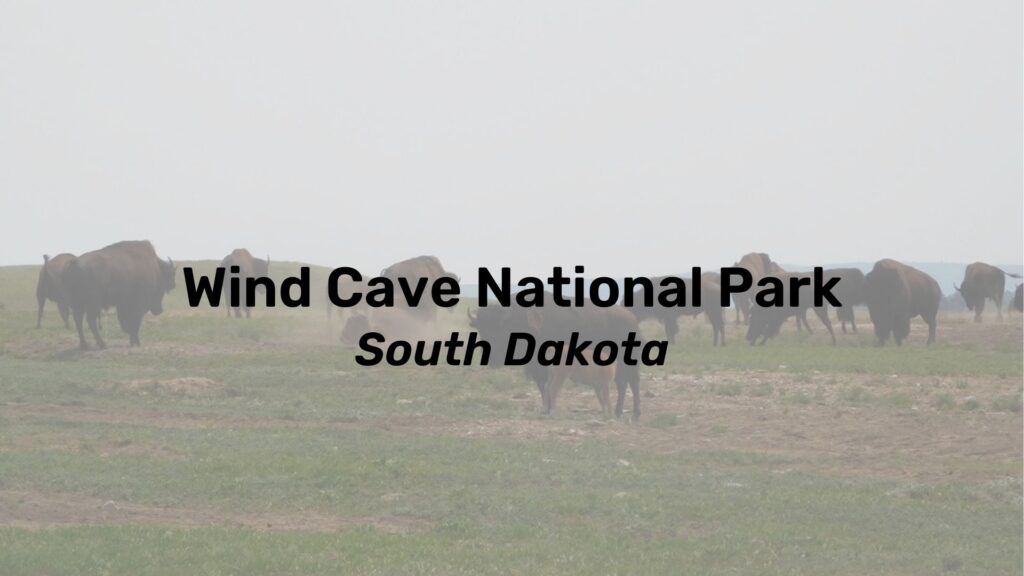
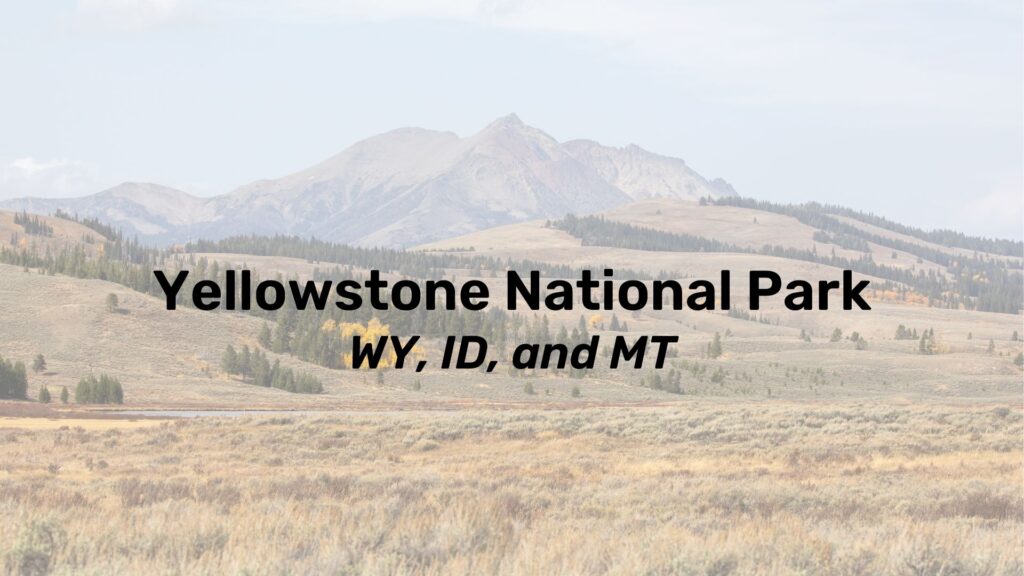
Traveling to Yellowstone National Park isn’t the only way to see bison roaming freely. Free-ranging bison herds can be found in protected parks across the country. Yellowstone bison represent one of the largest herds, while Wind Cave National Park in South Dakota manages another significant population. Additional herds roam in Grand Teton, Badlands, Theodore Roosevelt, and parks in Montana (like Glacier National Park). and other Western states. Some parks maintain a small herd for educational and conservation purposes, while others support larger, free-ranging bison populations.
Each of these parks plays a critical role in protecting bison populations for future generations. Together, these protected areas ensure that a herd of bison continues to thrive.
National Park Trust’s Work: Tallgrass Prairie National Preserve
National Park Trust played a singular role in establishing Tallgrass Prairie National Preserve in Kansas: a groundbreaking project that protects one of America’s most endangered ecosystems and restores bison to their native habitat. In 1994, we acquired the 10,894-acre Spring Hills/Z-Bar ranch. Two years later, the preserve was officially established through a unique public/private partnership. Today, it protects some of the rarest remaining tallgrass prairie (only 1-4% of the original remains) and allows visitors to experience restored American bison herds roaming their ancestral homeland.
We work with parks like these to ensure they remain protected, accessible, and thriving. Our land preservation efforts support bison herds and the ecosystems they help sustain. When parks remain protected and accessible, people from all backgrounds can experience bison in the wild and become lifelong advocates for their protection. Learn more about our park projects and conservation work.
6. Baby bison are an orange-red color until they are a few months old
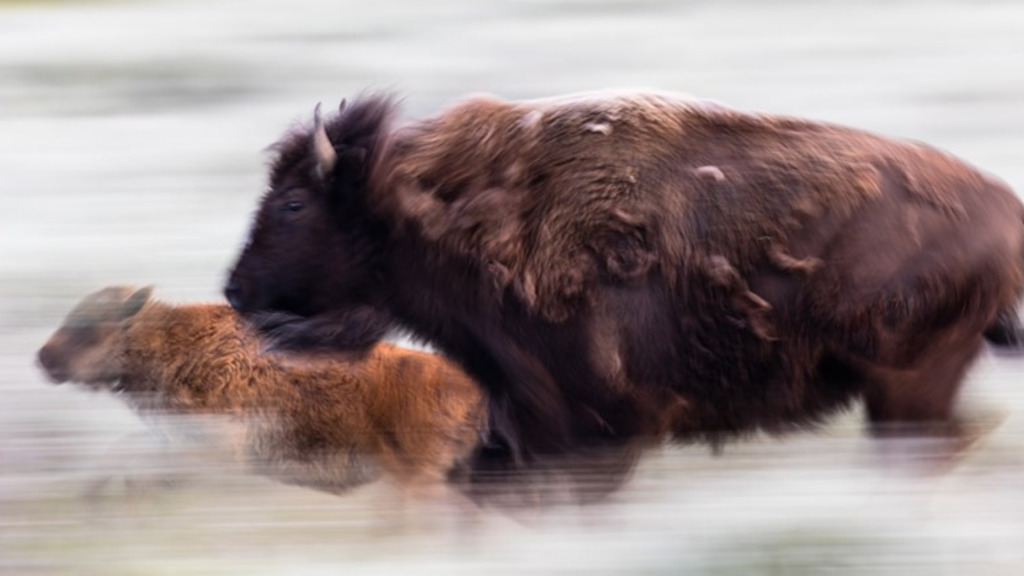
Cows (female bison) reach sexual maturity at around 2 years of age and can only have one calf at a time. Breeding season typically occurs in summer, and after a gestation period of approximately 9-9.5 months, calves are born in spring. Newborn bison calves weigh up to 70 pounds and are born with reddish-colored fur that gradually darkens as they mature. This early coloration may help calves blend into their surroundings during their most vulnerable months.
7. Bison are ecosystem engineers
Bison don’t just graze; they fundamentally shape the environment around them. These grazers consume grasses, sedges, and other vegetation, and their grazing patterns encourage plant diversity by preventing any single species from dominating. Their wallowing behavior creates shallow depressions that fill with water, providing critical habitats for insects and amphibians. These massive mammals play an essential role in maintaining healthy grasslands and supporting the biodiversity that depends on them.
This is why protecting bison habitat matters so deeply. When we preserve the grasslands where bison roam, we’re protecting countless other species that depend on those same ecosystems.
Different subspecies play different roles—the plains bison restored in the Great Plains have different ecological impacts than the wood bison (Athabascae subspecies) found in northern regions. Understanding these differences helps us manage bison populations effectively and prevent species from becoming endangered.
This is the heart of National Park Trust’s work: protecting the places where species like bison thrive, and ensuring those places remain accessible to the people who care about them. When park lands are protected early and managed thoughtfully, entire ecosystems flourish—supporting not just bison, but the web of life that depends on healthy grasslands.
8. Both male and female bison grow horns
While both males and females have horns, you can often tell them apart by the shape. Females have more slender, C-shaped horns compared to the thicker, more curved horns of males. Horns serve multiple purposes, from defense to social communication within the herd.
9. Bison can “plow snow” with their heads
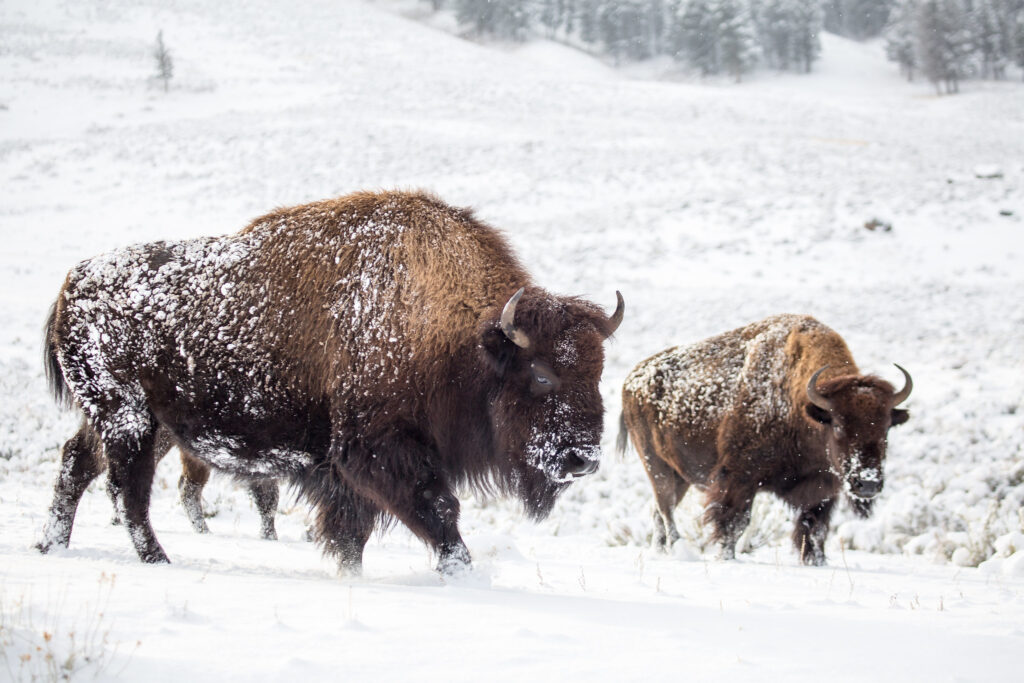
When snow becomes too deep, bison use their heads and massive shoulders to push it aside, making it easier to travel and graze. This remarkable adaptation allows them to survive harsh winters in northern climates—particularly important for wood bison populations in Alaska and other cold regions. This adaptation is one of the many ways bison have evolved to thrive in challenging environments.
10. Bison are nearsighted
Though bison have poor eyesight, their hearing is excellent. Cows and calves communicate through pig-like grunts and low calls. A mature bull can bellow across great distances, especially during breeding season when competition for mates is high. This reliance on sound over sight shows how each species adapts uniquely to its environment.
11. National Park Trust’s lovable mascot is a bison!
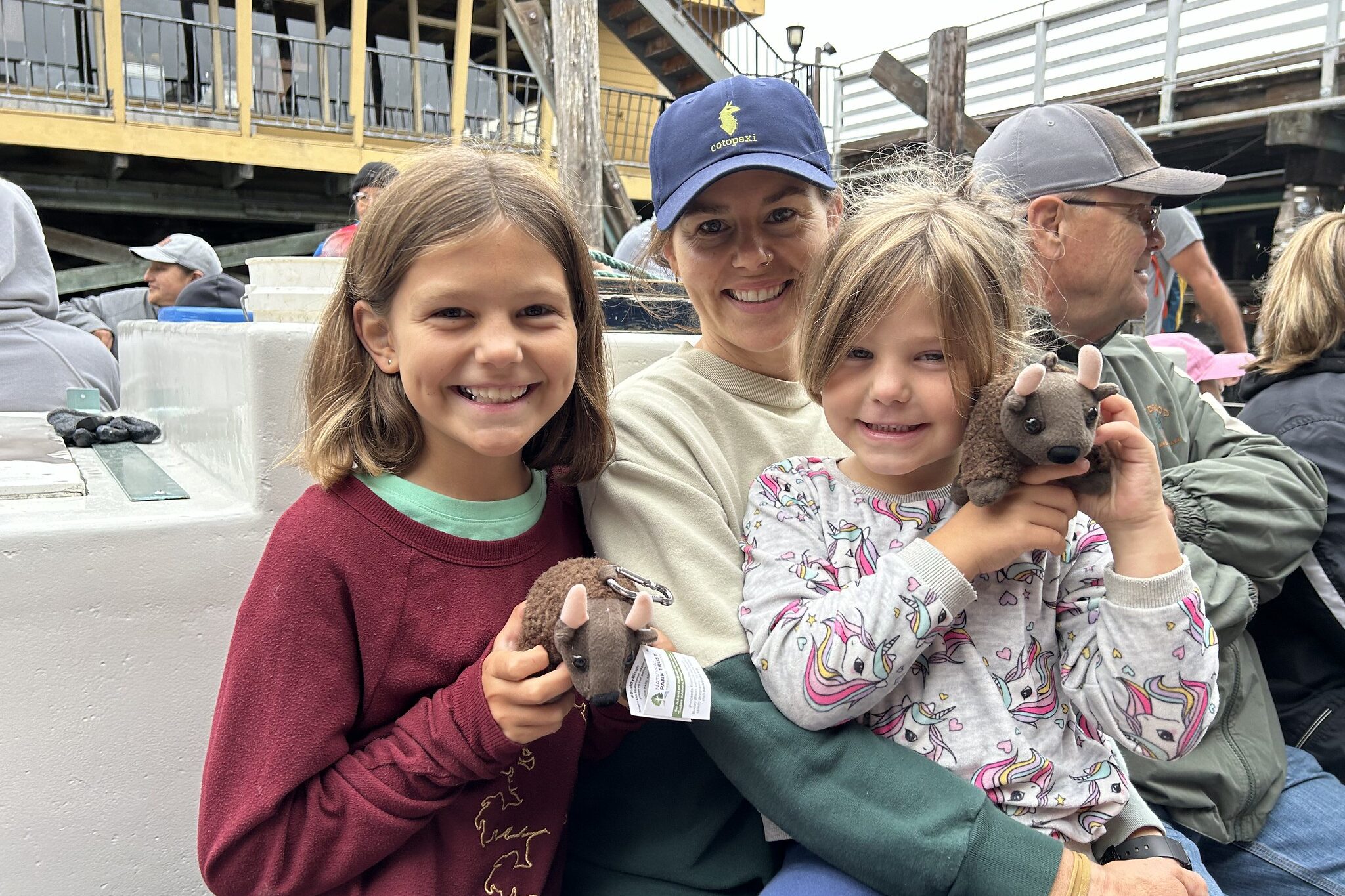
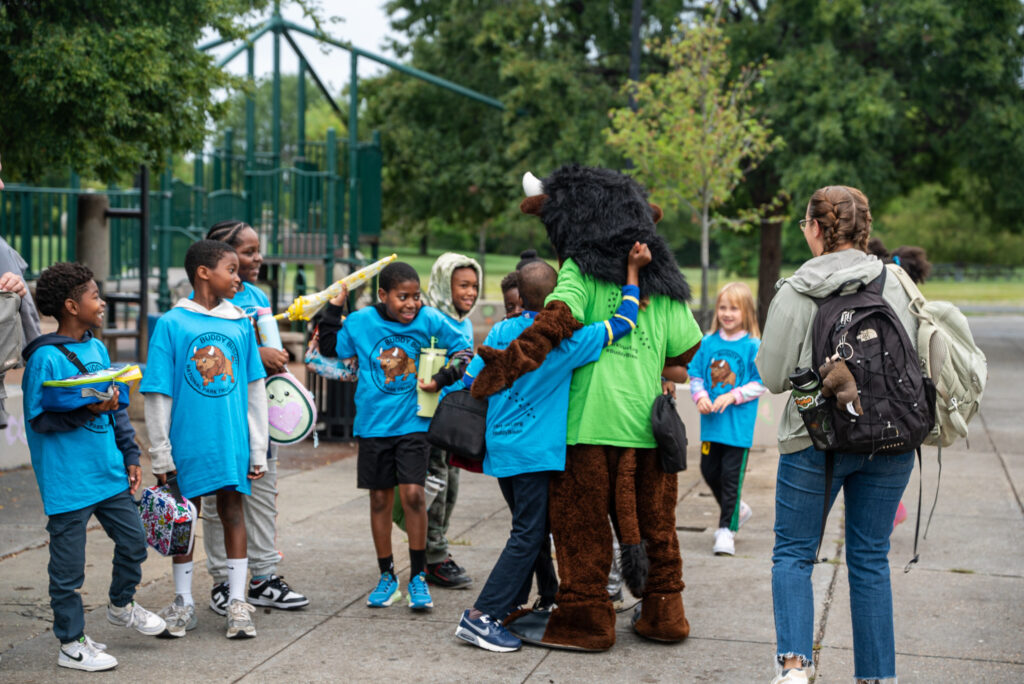
Representing our Youth and Family Programs, our mascot Buddy Bison inspires kids across the country to explore the outdoors and experience the parks that protect incredible wildlife. We believe that when young people connect with nature (whether through seeing bison in a national park or learning their stories), they become lifelong stewards of these places.
Get your Buddy Bison today and help support our work to protect park lands and expand access to nature for all communities.
Why Bison Conservation Matters
From their role in shaping grassland ecosystems to their status as the official national mammal of the United States, bison are truly remarkable creatures. Their recovery from near extinction shows us what’s possible when we commit to protecting lands and wildlife before it’s too late.
When you visit a national park to see Yellowstone bison roaming freely, or encounter free-ranging herds in South Dakota, Montana, Colorado, Utah, or other western states, you’re witnessing the results of early protection and dedicated conservation. You’re also supporting the ecosystem services that bison provide—maintaining healthy grasslands that store carbon, support biodiversity, and sustain communities.
Interestingly, the story of American bison recovery has parallels in Europe, where European bison populations have also been restored through careful management. The U.S. government and conservation organizations have played crucial roles in protecting bison herds and ensuring their genetic diversity through managed breeding programs.
How You Can Support Bison Conservation
National Park Trust believes that protecting wildlife habitat starts with protecting the lands they depend on. Bison recovery didn’t happen by accident—it required people who cared deeply about these animals and the places they call home. You can be part of that story:
Visit Parks Where Bison Roam: Visiting national parks where bison live connects you directly to these magnificent animals and the ecosystems they help sustain. Your visit supports local economies and helps demonstrate the value of protected lands.
Support Land Protection: Donate to National Park Trust and other organizations working to protect vulnerable park lands before they’re threatened. Early protection is the most effective—and most cost-effective—conservation strategy.
Expand Access: National Park Trust works to ensure that all communities have meaningful access to parks and the transformative experiences they offer. Support programs that bring youth, families, and underrepresented communities to parks where they can connect with nature and build stewardship for life.
Advocate for Parks: Support policies that protect public lands and ensure parks remain funded, accessible, and well-managed. Contact your representatives about legislation that strengthens park protection and expands access.
Educate Others: Share what you’ve learned about bison and why they matter. When more people understand how parks protect wildlife and support human wellbeing, more people will advocate for their protection.
Engage with Buddy Bison: Get (or gift) a Buddy Bison to help support National Park Trust’s Youth and Family Programs. Buddy Bison inspires kids across the country to explore the outdoors and build lasting connections to the parks that protect incredible wildlife like bison.
Together, we can ensure that bison—and the grasslands they help sustain—thrive for centuries to come. The parks that protect them, and the people who care for them, are the key to their future.