Great Basin National Park: Stargazing, Caves, and What Makes It Special
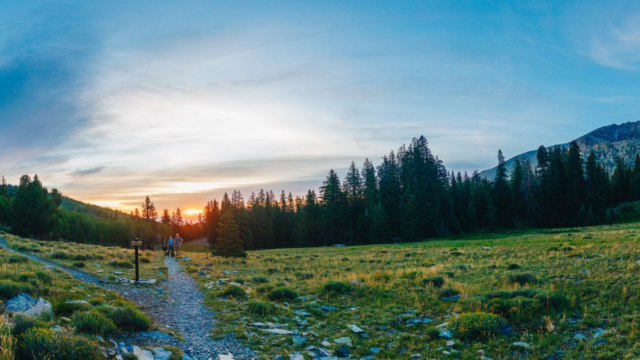
Great Basin National Park stands as the only national park located entirely in Nevada, drawing more than 160,000 visitors annually to explore its ancient bristlecone pines, glittering limestone caves, and some of the darkest night skies in the country.
Great Basin National Park, Nevada, is a park of extremes packed into a surprisingly small footprint. In eastern Nevada, near the small town of Baker and just west of the Utah border, the South Snake Range rises out of the sagebrush desert to the summit of Wheeler Peak at 13,063 feet. In a single day, visitors can tour a cave that has welcomed explorers since 1885, walk among trees that have been growing for thousands of years, and end the night under a sky so dark the Milky Way stretches overhead in sharp detail.
It’s also one of the quietest parks in the National Park System. Great Basin sees a fraction of the crowds that pack its neighbors in Utah, it charges no entrance fee, and on October 27, 2026, it celebrates its 40th anniversary as a national park. For travelers willing to make the drive, it offers a rare combination of solitude, deep history, and night skies that are increasingly hard to find anywhere else.
Quick Facts About Great Basin National Park
- Location: Eastern Nevada, about 5 miles west of Baker, near the Utah border
- Established: October 27, 1986, incorporating the former Lehman Caves National Monument (designated in 1922)
- Size: 77,180 acres
- Known for: Lehman Caves, ancient Great Basin bristlecone pines, Wheeler Peak, and its status as an International Dark Sky Park
- Annual visitors: More than 160,000
- Nearest city: Ely, Nevada; the town of Baker, Nevada, sits just outside the park
- Best time to visit: Summer through early fall, when the Wheeler Peak Scenic Drive is fully open and the high country is snow-free
What Makes Great Basin Special
Great Basin National Park takes its name from the vast Great Basin region, a high, dry expanse stretching across most of Nevada and into parts of neighboring states, where rivers and streams never reach the ocean. The park sits within the Basin and Range Province, a landscape of long, parallel mountain ranges separated by wide desert valleys. The Snake Range is one of those “sky islands,” rising more than 7,000 feet above the valley floor and creating a series of distinct habitats stacked on top of each other: sagebrush desert at the base, pinyon-juniper woodland and aspen groves on the slopes, and alpine tundra near the summit.
That elevation range is what makes Great Basin feel like several parks in one. Within a short drive, visitors move from desert heat to cool mountain forest, alpine lakes, and the remnants of Nevada’s last glacier tucked into a cirque below Wheeler Peak.
Stargazing and Night Skies
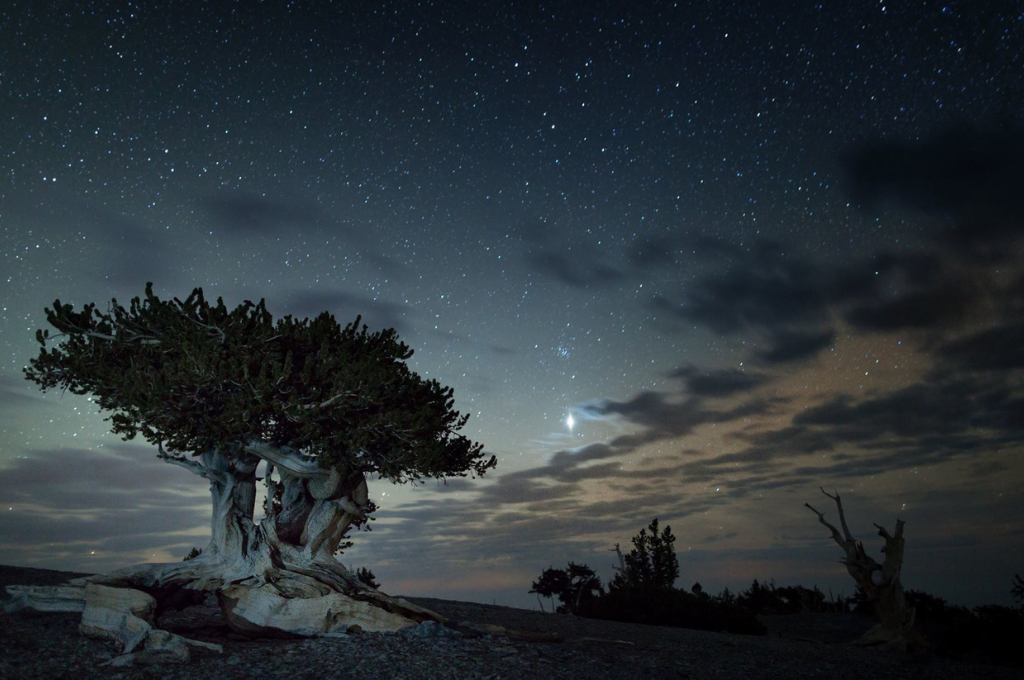
There’s a popular saying at Great Basin that half the park is after dark, and for good reason. Far from any major city and shielded by the surrounding mountains, the park has some of the darkest skies in the continental United States. In 2016, Great Basin was certified as a Gold Tier International Dark Sky Park, a designation that recognizes both the quality of its night skies and the park’s commitment to protecting them from light pollution.
On a clear, moonless night, the Milky Way stretches from horizon to horizon, and thousands of stars, planets, and even distant galaxies are visible without a telescope. Stargazing is good from almost anywhere in the park, from the Lehman Caves Visitor Center area to the high-elevation Wheeler Peak Campground at nearly 10,000 feet.
From roughly Memorial Day to Labor Day, park rangers host free astronomy programs Thursday through Sunday at the Astronomy Amphitheater near the Lehman Caves Visitor Center, introducing visitors to constellations and planets before guiding them through telescope viewing. Programs continue less often after the September Astronomy Festival until the season ends in October. The park is also home to the Great Basin Observatory, the only research-grade observatory located in a national park.
The Great Basin Astronomy Festival
Each September, near the new moon, the park hosts the Great Basin Astronomy Festival, three days and nights of astronomy activities for all ages. The 23rd annual festival, held September 10-12, 2026, featured solar viewing, guest speakers, an Art in the Dark program, and telescope viewing alongside rangers, volunteers, and amateur and professional astronomers. For many attendees, it’s the first time they’ve seen the night sky without the glow of a city on the horizon.
Exploring Lehman Caves
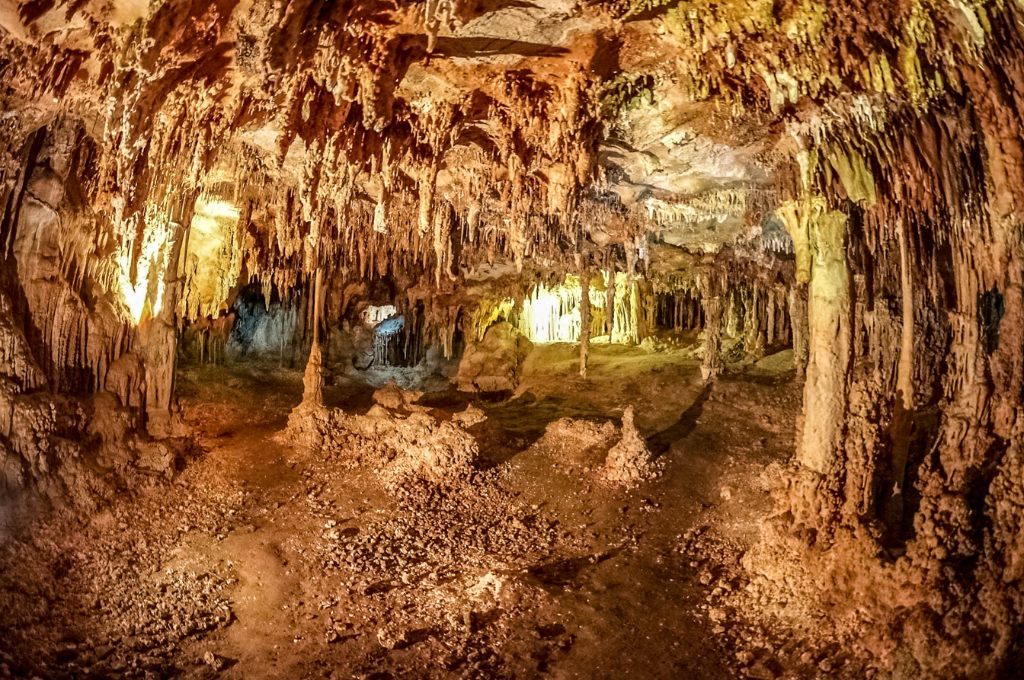
Long before Great Basin became a national park, Lehman Caves drew visitors to this corner of Nevada. The cave is the longest cave system in the state, and it was protected as Lehman Caves National Monument in 1922 before becoming part of the national park in 1986.
Inside, the cave is filled with stalactites, stalagmites, columns, delicate popcorn formations, and an estimated 500-plus cave shields, flat, disc-shaped formations that are uncommon in most caves but abundant here. The temperature stays around 52 degrees year-round, so a light jacket is a good idea, even in summer.
Lehman Caves can only be entered on a ranger-led tour, and cave tours are offered year-round, except on Thanksgiving, Christmas, and New Year’s Day. Tour options vary by season and currently include:
- Grand Palace Tour (90 minutes): The longest tour offered, traveling deeper into the cave
- Lodge Room Tour (60 minutes): A shorter option for visitors with less time
- Accessible Gothic Palace Tour (30 minutes): A short tour of the Gothic Palace, the cave’s first room, designed to be accessible to more visitors
Tours are limited to 20 people and regularly sell out, especially on summer weekends, so reservations through Recreation.gov are strongly recommended. All tours begin at the Lehman Caves Visitor Center at the end of Nevada State Route 488.
Wheeler Peak and the Ancient Bristlecone Pines
Wheeler Peak Scenic Drive
The 12-mile Wheeler Peak Scenic Drive climbs from near the Lehman Caves Visitor Center to about 10,000 feet, passing through aspen groves and mountain forest along the way. Mather Overlook and Wheeler Peak Overlook offer sweeping views of the summit and the valley below. The paved road closes in winter and after snowfall, and its upper section is typically open from late spring or early summer through fall, depending on snow. Vehicles longer than 24 feet are not permitted beyond Upper Lehman Creek Campground.
Bristlecone Pine Grove
Great Basin bristlecone pines are among the oldest living trees on Earth, and some in the park are thought to be more than 4,000 years old. Shaped by wind, ice, and centuries of harsh mountain weather, the trees grow slowly in rocky soil near treeline, their twisted trunks and exposed wood looking almost sculpted.
The Bristlecone Trail, about 2.8 miles round trip from the trailhead at the end of the Wheeler Peak Scenic Drive, leads to a grove of ancient bristlecone pines below Wheeler Peak, with interpretive signs explaining how these trees survive for millennia.
Glacier Trail
Hikers can continue past the bristlecone pine grove on the Glacier Trail, about 4.6 miles round trip, to view the Wheeler Peak Glacier, the last surviving glacier in Nevada. Today it’s considered a rock glacier, a mix of rock and ice tucked into the cirque beneath Wheeler Peak, and it continues to shrink each year.
Alpine Lakes Loop and Wheeler Peak Summit
The Alpine Lakes Loop, about 2.7 miles, passes Stella Lake and Teresa Lake, two small alpine lakes that reflect Wheeler Peak on calm mornings. In summer, wildflowers bloom along the high-elevation trails. For a bigger challenge, the Wheeler Peak Summit Trail climbs about 8.6 miles round trip to the top of the second-highest peak in Nevada, rewarding hikers with views across the Basin and Range Province.
Beyond the Main Corridor: Baker Creek, Snake Creek, and Lexington Arch
Most visitors stay close to the Lehman Caves Visitor Center and the Wheeler Peak Scenic Drive, but the park’s quieter corners are worth exploring. Baker Creek Road leads to Baker Creek Campground and trailheads for longer hikes into the backcountry, while Snake Creek Road reaches a series of free, first-come, first-served primitive campsites.
In the park’s southern end, Lexington Arch is a large natural arch carved from limestone, unusual in the West, where most arches are sandstone. Reaching it requires a long drive on an unpaved, washed-out road that crosses into Utah; high-clearance, four-wheel-drive vehicles are recommended, and visitors currently need to park about a mile before the official trailhead.
For those who want to backpack, backcountry camping is allowed in much of the park. Free registration is mandatory for the route from the Baker Creek trailhead to Baker Lake, past Johnson Lake, and down to the Snake Creek drainage, and strongly recommended everywhere else. Visitors can register at any open visitor center.
Wildlife, Wildflowers, and Bird Watching
Great Basin’s range of habitats supports a surprisingly diverse mix of wildlife. Mule deer are often seen in large numbers in the early morning and at dusk, pronghorn travel in scattered bands, black-tailed jackrabbits are common in sagebrush and pinyon country, and yellow-bellied marmots live among rock piles up to 11,000 feet. Bird watching is rewarding across the elevation range: the Mountain View Nature Trail behind the Lehman Caves Visitor Center is a popular spring and summer spot, and Clark’s nutcrackers are often found in the treetops at higher elevations. Summer brings wildflowers to meadows across the high country.
Planning Your Visit
Entrance fee: Great Basin National Park has no entrance fee. Cave tours have a separate per-person fee, and annual passes do not cover cave tours.
Visitor centers: The Great Basin Visitor Center in Baker, Nevada, is a good first stop for exhibits, maps, and trail conditions. The Lehman Caves Visitor Center, inside the park at the end of Nevada State Route 488, is where cave tours begin.
Campsites: The park has five developed campgrounds: Lower Lehman Creek, Upper Lehman Creek, Wheeler Peak, Baker Creek, and Grey Cliffs. Individual sites cost $20 per night, and all five can be reserved through Recreation.gov. Most are open roughly May through October, weather permitting, while Lower Lehman Creek is the only campground open in winter. Wheeler Peak Campground, at nearly 10,000 feet, is a favorite for stargazing and sits near the trailhead for the Bristlecone, Glacier, and Alpine Lakes trails. Potable water isn’t currently available in park campgrounds, but it is available year-round at the Lehman Caves Visitor Center.
Getting there: Great Basin is remote, so plan ahead for fuel and supplies. The park is about 290 miles north of Las Vegas and about 235 miles southwest of Salt Lake City. Services in Baker are limited, and there is no public transportation to or within the park.
Best time to visit: Summer and early fall are the best times to experience the full park, when the Wheeler Peak Scenic Drive and high-elevation trails are open. Fall brings golden aspens and cooler temperatures, while winter offers snowshoeing and cave tours with very few crowds. Weather at high elevations can change quickly in any season, so check current conditions with the park before you go.
How National Park Trust Supports Great Basin National Park
National Park Trust is an independent 501(c)(3) nonprofit that works to protect parks like Great Basin and connect people, especially youth and first-time visitors, to meaningful outdoor experiences. Remote parks like Great Basin depend on the same principle behind all of National Park Trust’s work: land inside and alongside national parks should be protected before it’s lost, and the people who experience these places are the ones who go on to protect them.
Why Protecting Parks Like Great Basin Matters
Great Basin is a reminder that some of the country’s most remarkable experiences can’t be built or replaced. Ancient bristlecone pines take thousands of years to grow, cave formations take tens of thousands of years to form, and truly dark night skies disappear once light pollution moves in. Protecting places like Great Basin preserves more than scenery: it protects quiet, darkness, and a living record of the land’s history. It also means the next generation of visitors, including kids who have never seen the Milky Way, will have the chance to look up and understand why these places are worth protecting.
How You Can Help Protect National Parks
Your support helps National Park Trust protect at-risk land in and around parks like Great Basin and gives more young people and families the chance to experience places like this firsthand. Learn about ways to support our mission.
FAQ — Visiting Great Basin National Park
Where is Great Basin National Park located? Great Basin National Park is in eastern Nevada, about 5 miles west of the town of Baker and close to the Utah border.
Is there an entrance fee? No. Great Basin is one of the few national parks with no entrance fee, though Lehman Caves tours and developed campsites have fees.
Do I need reservations for Lehman Caves? Yes, reservations are strongly recommended. Tours are limited to 20 people, regularly sell out, and can be booked through Recreation.gov.
Is Great Basin good for stargazing? Yes. Great Basin is an International Dark Sky Park with some of the darkest skies in the continental United States, and rangers offer free astronomy programs throughout the summer.
When is the Great Basin Astronomy Festival? The festival is held each September near the new moon. In 2026, it took place September 10-12.
How old are the bristlecone pines? Some of the Great Basin bristlecone pines in the park are thought to be more than 4,000 years old, making them among the oldest living trees on Earth.
How many days do you need? One full day is enough to tour Lehman Caves, drive the Wheeler Peak Scenic Drive, and hike to the bristlecone pine grove, but 2 to 3 days allow time for longer hikes and a night or two of stargazing.
About National Park Trust
National Park Trust is an independent, nonpartisan 501(c)(3) nonprofit that has protected national park land since 1983, acquiring missing pieces of our national parks and benefiting 58 national park sites nationwide. Our mission is to preserve parks today and create park stewards for tomorrow.
Our youth education and family initiatives — Buddy Bison School Programs, College Ambassador Program, and Military Family Programs, along with National Kids to Parks Day — connect tens of thousands of people to the outdoors each year.
We believe public parks, lands, and waters should be cared for, enjoyed, and preserved by all, for current and future generations. Learn more at parktrust.org.