
Montana National Parks: A Complete Guide
Montana, known as Big Sky Country, is home to two national parks — Glacier National Park and Yellowstone National Park — and six other National Park Service sites. Together, they protect glacier-carved peaks in the Rocky Mountains, Yellowstone’s geothermal wonders, river canyons along the Bighorn, working ranch country in the Deer Lodge Valley, and battlefields and trading posts tied to Native nations, the fur trade, and the conflicts of the 1870s.
National Park Trust, an independent 501(c)(3) nonprofit, protects at-risk park land and expands access so more people can experience these places.
How Many National Park Service Sites Are in Montana?
Montana has:
- 2 National Parks
- 6 additional National Park Service sites
These include:
- A national recreation area: Bighorn Canyon National Recreation Area (Fort Smith)
- National historic sites such as Grant-Kohrs Ranch National Historic Site in Deer Lodge and Fort Union Trading Post National Historic Site on the Montana–North Dakota border
- A national battlefield: Big Hole National Battlefield near Wisdom
- A national monument: Little Bighorn Battlefield National Monument near Crow Agency
- A national historical park: Nez Perce National Historical Park, which honors the Nimiipuu (Nez Perce) people
The National Park Service also manages two national trails that cross the state: the Lewis and Clark National Historic Trail and the Ice Age Floods National Geologic Trail.
The Two National Parks in Montana
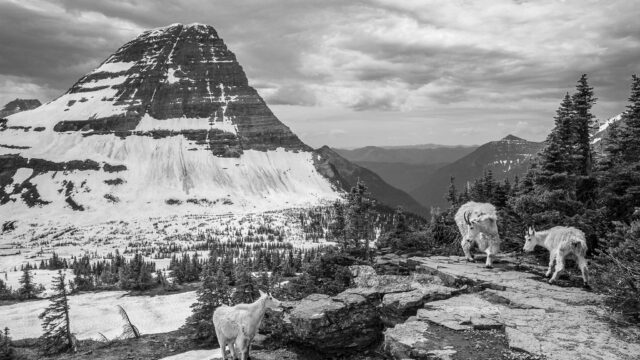
Glacier National Park Glacier protects more than 1 million acres of rugged peaks and glacier-carved valleys along the Continental Divide. At Triple Divide Peak, water can flow to the Pacific Ocean, Hudson Bay, or the Gulf of Mexico. The park’s remote high country provides habitat for grizzly bears, wolves, and mountain goats.
Some of the best views are from the Going-to-the-Sun Road, which crosses the heart of the park and climbs to Logan Pass, where mountain goats are often spotted. Trails range from backcountry routes to short hikes like Avalanche Lake, and Lake McDonald, the park’s largest lake, anchors the west side. Many travelers base themselves in Whitefish or Kalispell.
Yellowstone National Park Established in 1872, Yellowstone was the first national park in the United States. Its roughly 2.2 million acres lie mostly in northwest Wyoming, extending into Montana and Idaho. Yellowstone is home to the largest concentration of mammals in the lower 48 states — look for bison and elk in Hayden Valley, where wolves and bears sometimes appear. The park is also known for geothermal features like Old Faithful and Mammoth Hot Springs. Montana’s gateway towns of West Yellowstone and Gardiner, along with Bozeman, make convenient bases.
Other National Park Service Sites Across Montana
- Grant-Kohrs Ranch National Historic Site (Deer Lodge): Conrad Kohrs, later known as Montana’s “cattle king,” bought this ranch from Johnny Grant in 1866 and made it the headquarters of a 10-million-acre cattle empire. Today it is still a working ranch.
- Big Hole National Battlefield (near Wisdom): On August 9, 1877, U.S. troops attacked a sleeping Nez Perce encampment at dawn. Nez Perce warriors drove the soldiers back and held them under siege while the rest of the band withdrew.
- Bighorn Canyon National Recreation Area (Fort Smith): Straddling the Montana–Wyoming border, this park centers on Bighorn Lake, created by Yellowtail Dam. It is popular for boating and fishing and includes four historic ranches and part of the Pryor Mountain Wild Horse Range.
- Little Bighorn Battlefield National Monument (near Crow Agency): On June 25–26, 1876, Lakota, Cheyenne, and Arapaho warriors defeated the U.S. Army’s 7th Cavalry under Lt. Col. George Armstrong Custer. The site honors those who fought on both sides.
- Fort Union Trading Post National Historic Site (Montana–North Dakota border): From 1828 to 1867, this was the most important fur trading post on the upper Missouri River, hosting visitors like George Catlin and John James Audubon.
- Nez Perce National Historical Park: Spanning four states, this park honors the Nimiipuu (Nez Perce) people. Its Montana sites, including Bear Paw Battlefield near Chinook, trace the Nez Perce’s 1,170-mile flight in 1877.
Conservation & Access in Montana
Montana’s public lands protect:
- Glaciers and alpine ecosystems
- Wildlife habitat for grizzly bears, wolves, mountain goats, and trumpeter swans
- Prairies and scenic river corridors
- Working ranch landscapes
- Places that hold deep meaning for Native nations and tell essential chapters of American history
But long-term protection depends on more than designation. It depends on connection.
When a student stands on the battlefield in the Big Hole Valley, drives the Going-to-the-Sun Road, or explores a historic ranch in Deer Lodge, they gain firsthand experience with public lands. That experience can shape how they view conservation and stewardship for years to come.
How National Park Trust Supports Parks in Montana
National Park Trust works nationwide to protect park land early and expand access to America’s public lands. In Montana, that has included:
- Covering due diligence costs in 2012 that helped the Trust for Public Land acquire the 120-acre Doody Homestead in Glacier National Park — once home to Dan Doody, one of Glacier’s original rangers — and transfer it to the National Park Service
- Providing matching funds with the U.S. Fish and Wildlife Service to acquire a 40-acre inholding at Red Rock Lakes National Wildlife Refuge, protecting habitat for trumpeter swans and sandhill cranes
Through programs like Buddy Bison School Programs and National Kids to Parks Day, we also connect students and families with parks nationwide, building the next generation of park stewards.
Frequently Asked Questions About Montana National Parks
How many national parks are in Montana?
Montana has two national parks: Glacier and Yellowstone. Glacier lies entirely in Montana, while most of Yellowstone is in Wyoming. The state also has six other National Park Service sites.
What is the largest national park in Montana?
Glacier National Park is the largest national park entirely in Montana, at just over 1 million acres. Yellowstone is larger overall, but only a small portion lies in Montana.
When is the best time to visit national parks in Montana?
July through mid-September is the most popular time to visit, when Glacier’s Going-to-the-Sun Road is typically fully open. Fall brings smaller crowds, while winter offers cross-country skiing, though many roads close. Check the National Park Service website for current conditions and reservation requirements.
Stay Connected to Conservation Efforts in Montana and Beyond
Protecting Montana’s national parks and historic sites requires ongoing care and community support.
If you care about the future of public lands in Montana — from the peaks of Glacier to the banks of the Missouri River — we invite you to stay connected. Explore ways to support National Park Trust and help protect parks in Montana and across the country.
Together, we can help ensure these landscapes remain protected and accessible for generations to come.
National Park Trust in your state


| Site | Program | City |
|---|---|---|
| Boys & Girls Club of Lewistown | Buddy Bison Schools | Lewistown, MT |
| Crow Agency Public School | Buddy Bison Schools | Crow Agency, MT |
| Hot Springs School | Buddy Bison Schools | Hot Springs, MT |
| K William Harvey Elementary School | Buddy Bison Schools | Ronan, MT |
| Libby Elementary School | Buddy Bison Schools | Libby, MT |
| Lincoln Public Schools | Buddy Bison Schools | Lincoln, MT |
| Plains Public Schools | Buddy Bison Schools | Plains, MT |
| Carroll College | College Ambassador Schools | Helena, MT |
| Big Hole National Battlefield | National Park Sites | Wisdom, MT |
| Bighorn Canyon National Recreation Area | National Park Sites | Fort Smith, MT |
| Glacier National Park | National Park Sites | |
| Grant-Kohrs Ranch National Historic Site | National Park Sites | Deer Lodge, MT |
| Lewis and Clark National Historic Trail | National Park Sites | Yorks Islands, MT |
| Little Bighorn Battlefield National Monument | National Park Sites | |
| Glacier National Park | Parks We've Protected | West Glacier, MT |
| Red Rock Lakes National Wildlife Refuge | Parks We've Protected |
Protected Parks
-
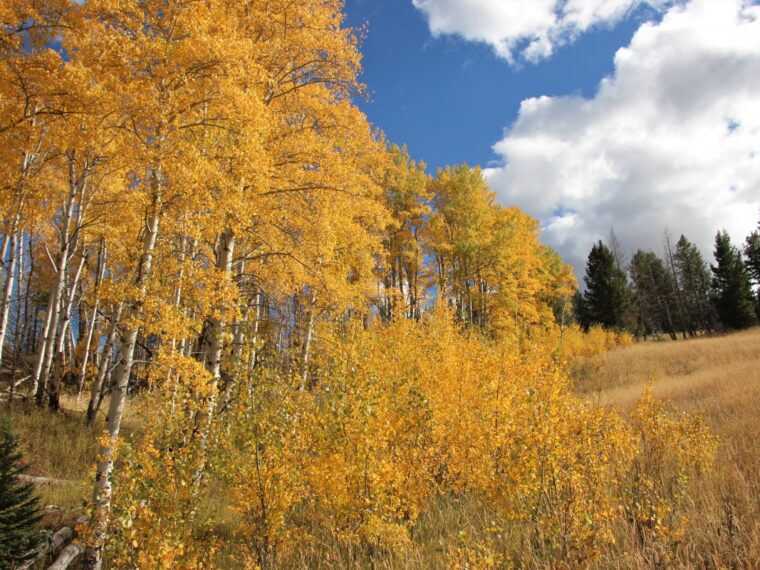
Red Rock Lakes National Wildlife Refuge, MT
In 1999, the Park Trust contributed to the purchase of 40 acres at Red Rock Lakes National Wildlife Refuge.
Learn More about Red Rock Lakes National Wildlife Refuge, MT -
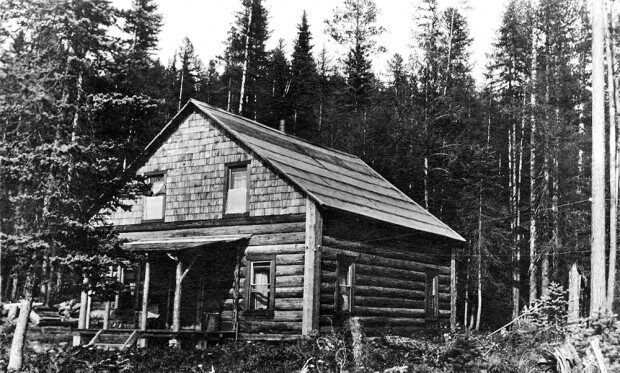
Glacier National Park, MT
In 2012, National Park Trust worked with the Trust for Public Land (TPL) to buy the Doody homestead.
Learn More about Glacier National Park, MT